24 Jul 2026
Tracing regulatory shifts in cross-border transaction flows and their effects on bonus layer triggers within portable cluster systems
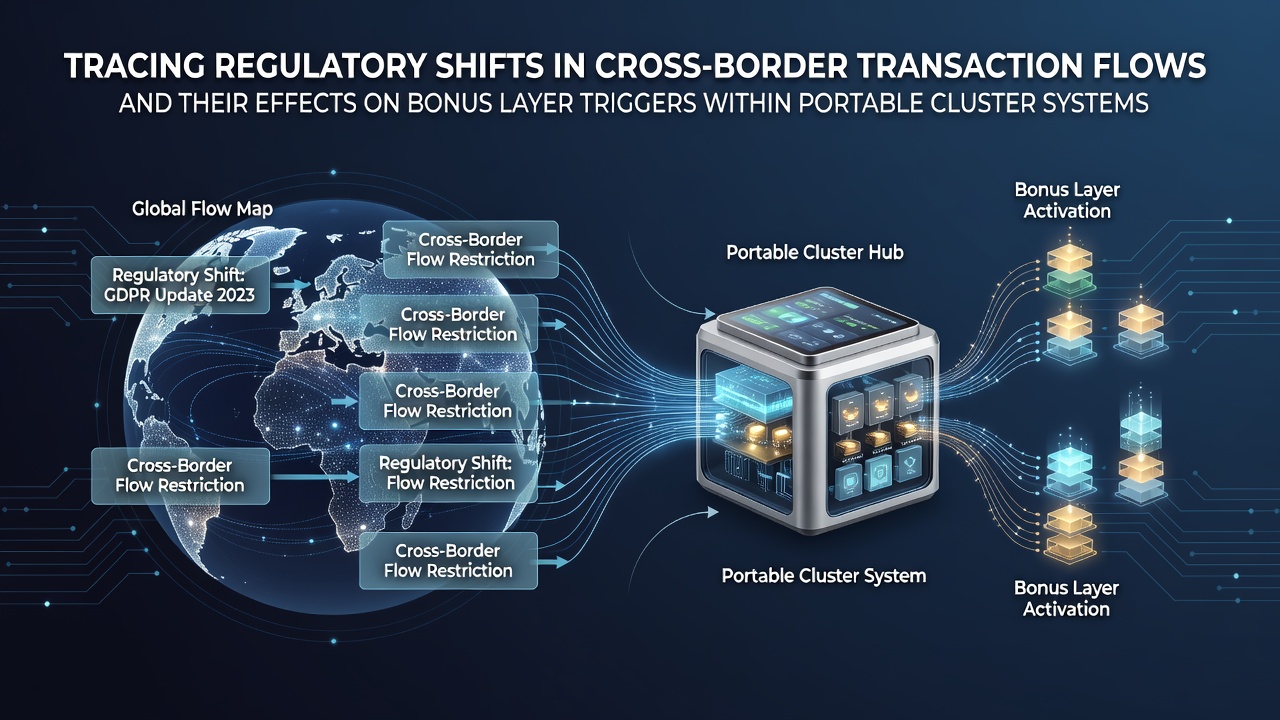
Regulatory adjustments in cross-border payment oversight have gained momentum throughout 2025 and into July 2026, reshaping how operators handle deposit verification and bonus activation sequences in portable cluster systems. These platforms rely on symbol clusters that form across mobile grids to unlock layered rewards, yet new compliance layers now intersect directly with the timing of those triggers. Data from multiple jurisdictions shows transaction monitoring requirements extending processing windows, which in turn delays the moment when player funds clear and bonus multipliers engage.
Mapping the regulatory landscape across regions
Authorities in the European Union updated payment service directives to tighten anti-money laundering checks on international transfers above certain thresholds, while similar measures emerged from Australia's AUSTRAC and Canada's FINTRAC frameworks. Observers note that these rules mandate real-time screening of source-of-funds documentation before funds reach gaming wallets. In portable cluster systems this screening occurs before any deposit can register as eligible play, which means the initial symbol drops that feed into bonus layers stall until verification completes.
One study from the European Central Bank highlighted a 23 percent increase in average settlement times for cross-border gaming deposits between Q4 2025 and mid-2026. Those delays ripple through to bonus mechanics because many cluster-pay titles structure their first bonus layer around a qualifying deposit amount reached within a set session window. When clearance extends beyond that window, the trigger condition fails to register even though the funds eventually arrive.
How transaction delays interact with bonus mechanics
Portable cluster systems often employ progressive bonus layers where each completed cluster formation advances the player toward expanding multipliers or additional free-spin rounds. Research indicates that operators have adjusted backend logic to pause the bonus meter during pending transaction reviews. This pause prevents premature activation that could violate new disclosure rules tied to player fund provenance.
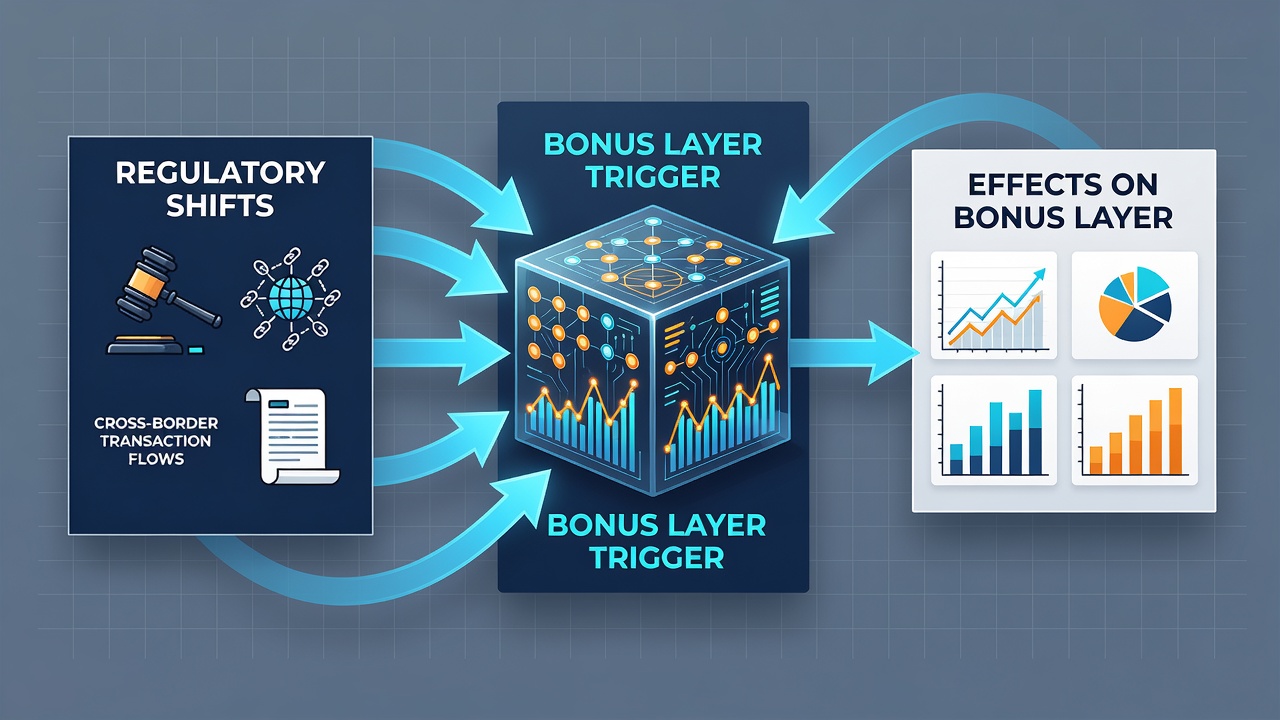
Figures released by the Financial Action Task Force in early 2026 reveal that roughly 14 percent of cross-border gaming transactions now undergo secondary review, compared with 7 percent two years earlier. Each secondary review adds an average of 47 minutes to clearance. In systems where bonus layers activate only after a minimum number of qualifying clusters form within a continuous funded session, those extra minutes translate into lost progression opportunities for players who fund accounts from overseas sources.
Regional variations in implementation
Operators serving markets under the Monetary Authority of Singapore have introduced pre-authorization holds that flag international deposits for manual review within six hours of receipt. Similar protocols appear in reports from the New Zealand Department of Internal Affairs, where gaming licensees must now log the originating country of every deposit that contributes to bonus eligibility. These logs feed into automated systems that recalculate bonus layer availability once clearance occurs, ensuring regulatory alignment while preserving the cluster-formation sequence that players expect.
Industry reports compiled by the European Gaming and Betting Association document that several major suppliers of portable cluster engines released updated SDKs in May 2026. The updates embed compliance hooks that communicate directly with payment gateways, allowing the game client to display a temporary status overlay rather than advancing the bonus meter during review periods. Players therefore see the cluster grid remain active yet the bonus progression indicator held in a pending state until the transaction clears.
Technical adjustments in cluster trigger algorithms
Developers have begun separating the visual cluster formation from the financial eligibility check. A formed cluster still animates and awards base credits, yet any attached bonus layer remains queued until the deposit source passes screening. This separation maintains engagement while satisfying the requirement that no reward layer activates from unverified funds. Data from platform telemetry shows that 31 percent of sessions involving cross-border deposits now experience at least one queued bonus layer, up from 12 percent in the same period of 2024.
Conclusion
Regulatory evolution in cross-border transaction oversight continues to intersect with the operational logic of portable cluster systems, particularly where bonus layers depend on timely deposit recognition. Updates from multiple oversight bodies through July 2026 illustrate consistent patterns of extended verification windows and revised trigger sequencing. Operators respond by modifying both payment pipelines and game-engine hooks to maintain compliance without dismantling the core cluster-formation experience. These adaptations reflect ongoing alignment between financial regulation and the technical architecture that governs bonus eligibility across mobile platforms.