15 Jul 2026
Tracing Incentive Alignments Between Transaction Channels and Outcome Frequencies in Wireless Reel Platforms
Wireless reel platforms process deposits and withdrawals through multiple channels while reels generate outcomes at measurable frequencies, and researchers have examined how these elements connect in digital gaming ecosystems. Data streams from transaction logs feed directly into outcome tracking systems that record hit rates, bonus triggers, and payout distributions across mobile sessions. Observers note that payment method choices often correlate with session length and frequency of reel results in ways that shape platform design decisions.
Transaction Channels and Their Data Footprints
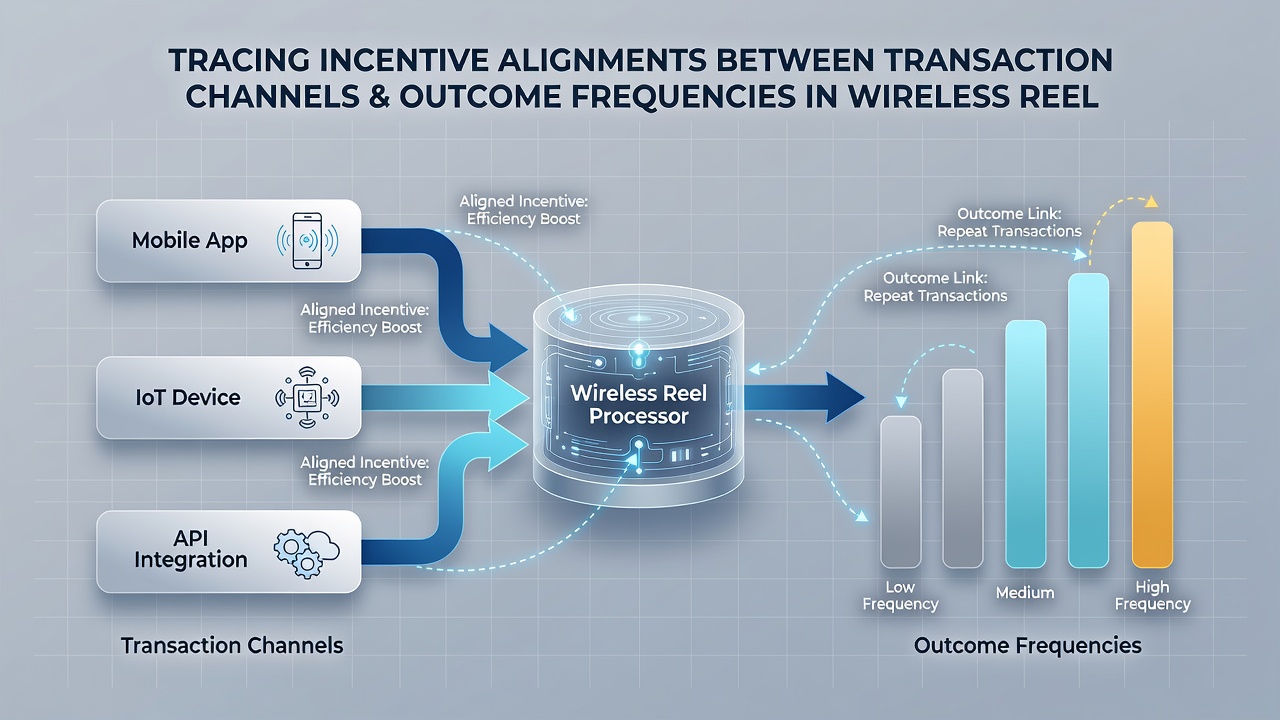
Digital wallets, bank transfers, and card-based deposits each leave distinct records in platform databases, and these records include timestamps, amounts, and user identifiers that analysts cross-reference with reel activity. Mobile applications capture these details in real time, which allows systems to map when funds enter an account and how quickly subsequent spins occur. Studies from regulatory bodies in multiple regions show that instant deposit options tend to align with shorter intervals between outcomes, whereas slower methods extend the gap between transactions and reel events.
Outcome Frequencies in Wireless Environments
Reel outcomes follow programmed probabilities that determine how often symbols land in winning combinations, and wireless platforms log these events alongside transaction data to identify patterns. Hit frequency metrics, measured as wins per spin or bonus activations per session, provide quantifiable data points that platforms compare against deposit volumes. Figures from industry reports reveal that certain channels coincide with elevated frequencies of low-value outcomes, while others align more closely with rarer, higher-value results during extended play periods.
Mapping Alignments Between Payments and Results
Alignment tracing involves connecting specific transaction types to observed outcome distributions through statistical matching techniques, and analysts use timestamp synchronization plus account-level identifiers to establish these links. When a deposit arrives via one channel and reel activity accelerates immediately afterward, the data indicates a potential incentive structure at work. Platforms adjust bonus eligibility rules or free spin allocations based on these observed connections, which in turn influence how frequently certain outcome categories appear in subsequent sessions.
Research conducted by academic groups in Australia has documented similar correlations in portable gaming systems, where transaction speed directly affects the timing of outcome sequences. Data shows that users who select faster channels often experience more frequent small wins early in a session, whereas those using traditional methods encounter different distribution patterns over longer intervals.
Evidence from Regulatory and Industry Sources
The Alcohol and Gaming Commission of Ontario publishes aggregated metrics on digital gaming activity that include transaction volumes paired with outcome statistics, and these reports help trace incentive effects across wireless platforms. In July 2026, updated data releases highlighted continued growth in mobile transaction activity alongside stable outcome frequency measurements in regulated markets. European research institutions have produced parallel findings through anonymized platform datasets that connect payment method preferences to reel behavior patterns.
One study released by a Canadian university research team examined thousands of sessions and found measurable differences in outcome timing based on deposit channel, with statistical significance confirmed through regression analysis. Those findings align with observations from Nevada Gaming Control Board summaries, which track how incentive programs tied to specific transaction types correspond to shifts in reported hit rates.
Platform Design Implications
Wireless reel systems incorporate these alignments into their backend architecture so that bonus triggers and payout layers respond dynamically to incoming transaction data. Engineers program reel random number generators to maintain baseline frequencies while allowing incentive-linked adjustments that appear only after certain payment patterns occur. Observers note that this approach keeps overall outcome distributions within regulatory thresholds even as transaction-specific incentives activate.
Case examples from multiple operators demonstrate how aligning deposit speed with targeted outcome frequencies can sustain session engagement without altering core probability tables. Data logs reveal that players using particular channels receive free spin offers at moments when reel activity shows clustered low-frequency results, which creates a feedback loop between payment behavior and result visibility.
Conclusion
Tracing these alignments requires continuous analysis of transaction logs against reel outcome records, and platforms that perform this work gain clearer visibility into how payment channels influence result patterns. Regulatory updates expected through 2026 will likely expand the datasets available for such examinations across additional jurisdictions. The connections between deposits and outcome frequencies remain central to understanding operational dynamics in wireless reel environments.