1 Jul 2026
Seasonal Campaign Alignments with Symbol Probability Shifts in Cluster-Pay Mobile Platforms
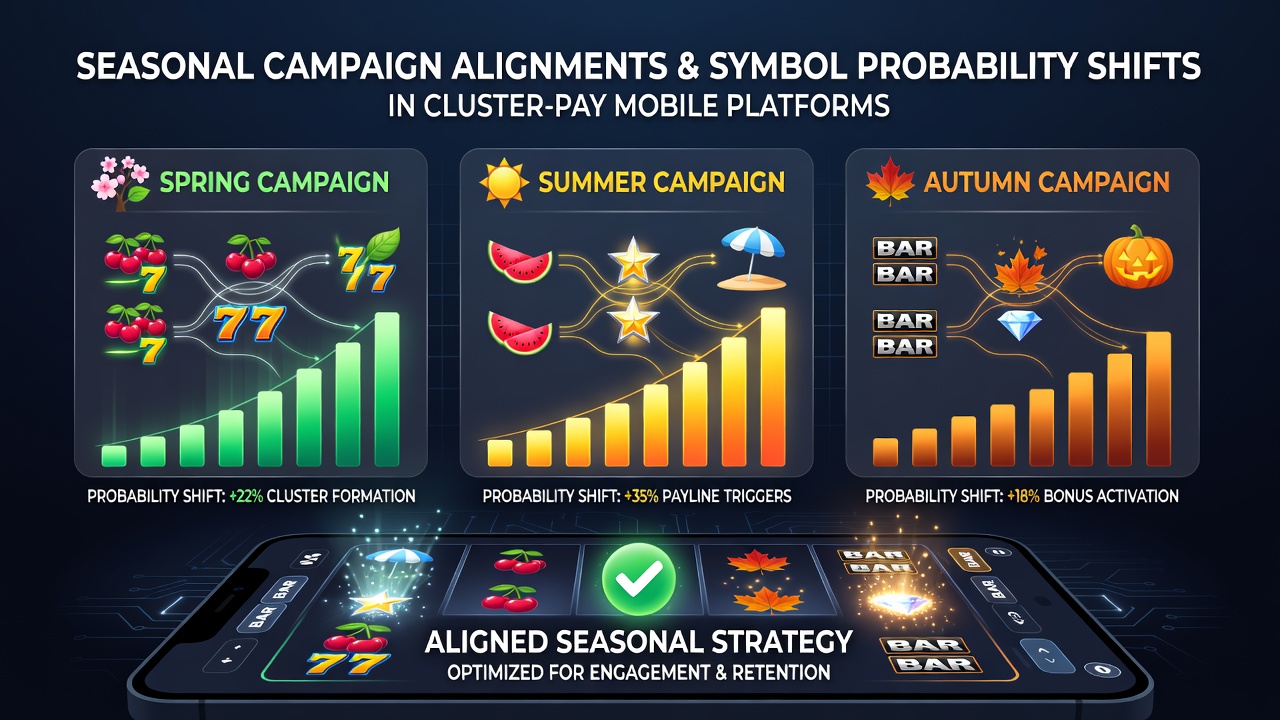
Cluster-pay mechanics on mobile platforms rely on grouped symbol formations rather than fixed paylines, which creates opportunities for operators to integrate seasonal campaigns with backend probability adjustments that align promotional themes and player engagement metrics. These alignments typically involve shifts in symbol distribution rates during events tied to holidays or weather patterns, and data from industry monitoring shows such changes occur across multiple jurisdictions without altering core random number generator certifications.
Mechanics of Cluster-Pay Systems in Mobile Environments
Cluster-pay slots calculate wins when matching symbols occupy adjacent positions in groups of five or more, and mobile platforms optimize these grids for touch interfaces where screen size influences visibility of expanding clusters. Operators adjust the frequency of high-value symbols during specific periods because seasonal campaigns demand visual consistency between marketing assets and in-game elements, yet regulatory frameworks require that all modifications remain within certified parameters. Research from the Gaming Standards Association indicates that probability weights for thematic symbols increase by measured increments during campaigns, allowing clusters to form at rates that match promotional messaging without exceeding tested volatility ranges.
Integration Patterns Observed in July 2026 Campaigns
During July 2026 several mobile platforms launched summer-themed cluster-pay titles that featured increased appearance rates for tropical and aquatic symbols while maintaining baseline frequencies for standard icons. These shifts coincided with deposit bonus offers and free spin bundles, and analysts note the timing helped synchronize user acquisition drives with in-game reward structures. One platform released updated reel configurations mid-month after initial campaign data revealed higher engagement when fruit-cluster symbols appeared at elevated rates during peak afternoon hours, a pattern tracked through anonymized session logs.
Cross-regional comparisons reveal similar approaches in markets outside North America. Reports compiled by the Australian Institute of Criminology highlight how operators in that region timed probability tweaks to local seasonal events, resulting in measurable lifts in session duration when cluster formations aligned with campaign visuals. The adjustments remained transparent to players through symbol animations rather than explicit disclosures, preserving the integrity of certified game mathematics.
Data Tracking and Regulatory Compliance Considerations
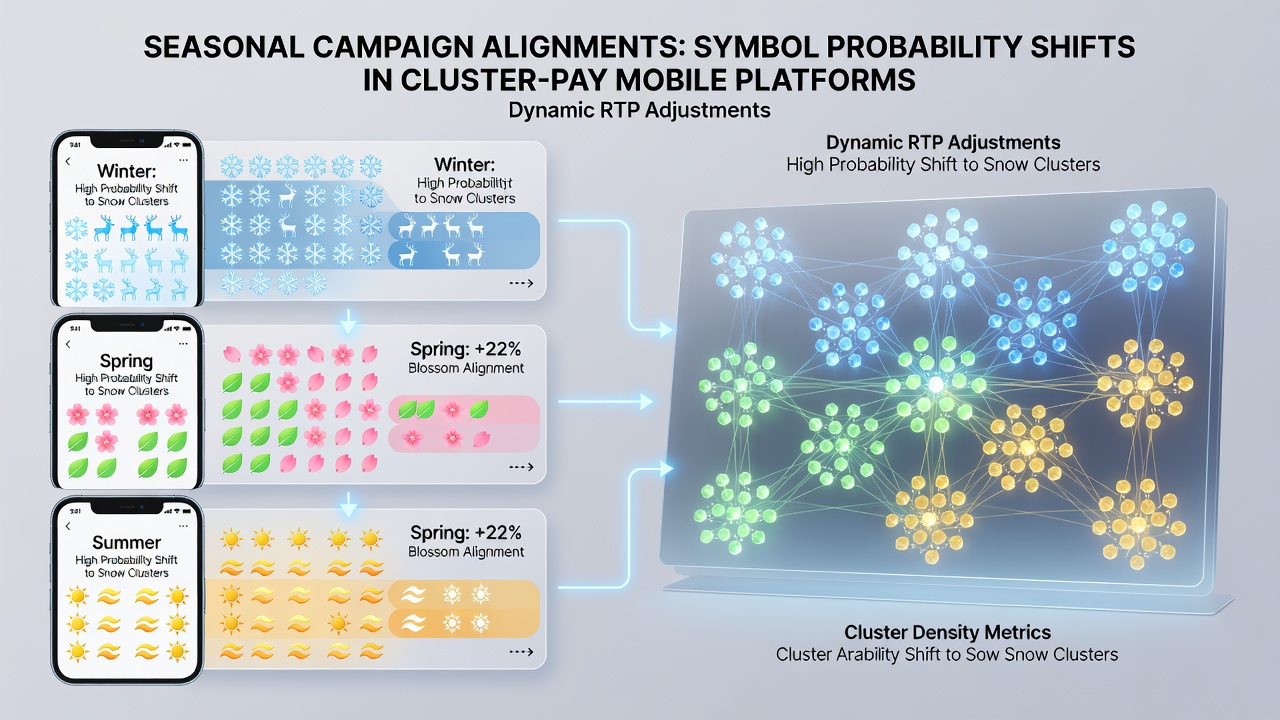
Platform operators collect extensive telemetry on symbol hit frequencies during campaign windows, and these datasets feed into compliance submissions required by bodies such as the Nevada Gaming Control Board. The information demonstrates that probability shifts stay bounded by pre-approved ranges, with any thematic symbol boosts offset by corresponding reductions elsewhere on the reel strips to keep overall return-to-player percentages stable. Mobile-specific testing protocols account for variable network conditions that can affect how quickly clusters resolve and display results to users.
Those who monitor industry reports observe that July 2026 campaigns incorporated additional layers such as progressive multipliers triggered by oversized clusters, where the base probability adjustments supported higher multiplier activation rates during promotional windows. This approach allowed marketing teams to promote “summer surge” features while backend systems handled the underlying distribution changes through weighted tables that reset automatically at campaign close.
Player Retention Metrics Linked to Seasonal Adjustments
Session data aggregated across multiple cluster-pay titles shows elevated retention when probability alignments match visual campaign themes, particularly in titles that expand cluster sizes during peak promotional days. Observers note that platforms employing these techniques often record improved day-three return rates among new users acquired through seasonal offers, because the in-game experience reinforces the marketing narrative. The correlation appears in aggregated figures released by research institutions tracking portable gaming ecosystems, where seasonal symbol boosts contribute to sustained play without requiring changes to core paytable structures.
Implementation typically follows a staged rollout where initial probability weights receive certification, followed by live monitoring that confirms cluster formation rates match expected models. In cases where campaigns span multiple weeks, operators may introduce secondary adjustments, such as temporary boosts to wild symbol clusters, provided all modifications undergo review to ensure compliance with regional standards.
Conclusion
Seasonal campaign alignments with symbol probability shifts represent a documented practice within cluster-pay mobile platforms, supported by telemetry, certification processes, and cross-jurisdictional reporting. The approach ties promotional timing to measurable changes in symbol distribution while preserving regulatory compliance and certified game mathematics. As platforms continue to refine these techniques, data from sources including the Gaming Standards Association and the Australian Institute of Criminology will likely inform future implementations across additional markets.