27 May 2026
Mapping Interconnected Data Streams from Transaction Logs to Reel Outcome Patterns in Secure Digital Gaming Ecosystems
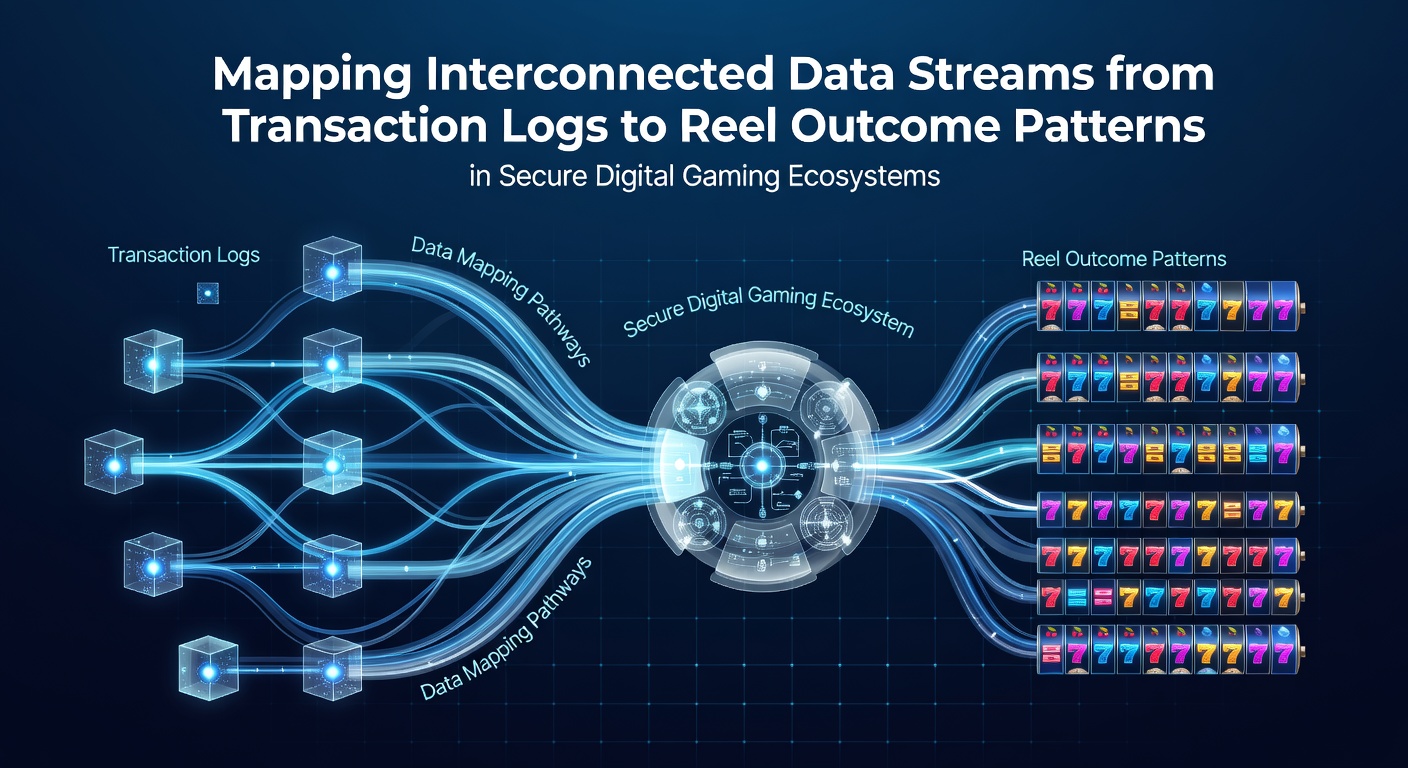
Transaction logs in digital gaming ecosystems capture every deposit, withdrawal, and bet placement as structured data points that feed directly into analysis pipelines, while reel outcome patterns emerge from random number generator sequences recorded at the moment each spin resolves. Observers note that these two streams connect through timestamp synchronization and player session identifiers, which allow systems to trace how specific financial actions correlate with particular symbol arrangements across multiple game rounds. Researchers have examined these connections in controlled environments where secure protocols prevent unauthorized access during data transfer.
Transaction Log Structures and Their Core Components
Each log entry typically includes account identifiers, transaction amounts, timestamps down to the millisecond, and game session tokens that remain encrypted throughout the process. Data indicates that operators maintain these records in immutable formats to support compliance audits, and the records often link to external payment processors through API calls that generate additional metadata layers. Those who've studied transaction flows point out that the logs also record failed attempts and partial transactions, which become relevant when analysts reconstruct sequences leading to specific reel results.
Secure digital platforms use standardized schemas such as JSON or XML to store these entries, and the schemas incorporate fields for currency type, bonus eligibility flags, and device fingerprints that help distinguish legitimate activity from anomalies. Figures from industry reports reveal that average daily log volumes per major platform can exceed several million entries during peak periods, requiring distributed databases that maintain query speeds without compromising encryption standards.
Reel Outcome Patterns and Data Mapping Processes
Reel outcomes register as sequences of symbol positions generated by certified random number algorithms, and each outcome carries a unique identifier that systems match against the corresponding transaction log entry. Mapping occurs when analysts align the outcome identifier with the exact bet amount and timing recorded in the log, creating traceable pathways from financial input to visual result. Studies conducted by independent testing laboratories have confirmed that these alignments rely on synchronized clocks across servers to avoid discrepancies of even a few milliseconds.
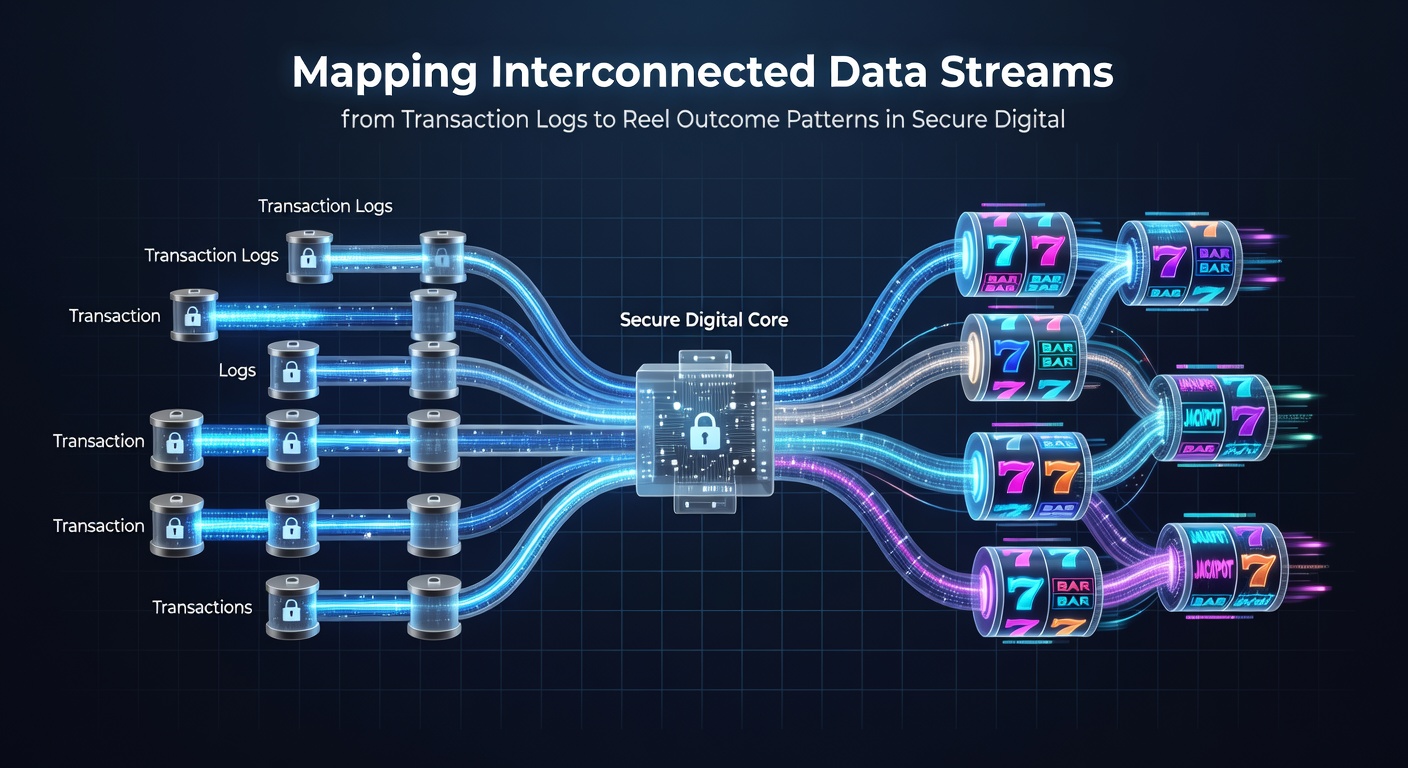
Pattern recognition tools then scan aggregated mappings for recurring sequences, such as particular symbol clusters appearing after high-value deposits or during extended play sessions. According to findings published by the Nevada Gaming Control Board, operators must retain these mapped datasets for a minimum of five years to allow regulatory review of fairness metrics. The process incorporates hashing techniques that verify data integrity at each transfer stage, ensuring that neither the transaction details nor the reel results can be altered retroactively.
Security Protocols Governing Data Interconnections
Encryption standards such as AES-256 protect both log files and outcome records while they move between modules, and access controls limit visibility to authorized personnel through role-based permissions. Multi-factor authentication combined with continuous monitoring systems detect any attempts to access mapped datasets outside approved workflows. Reports from the New Jersey Division of Gaming Enforcement highlight that platforms undergo regular penetration testing to validate these controls remain effective against evolving threat vectors.
Blockchain-based ledgers have appeared in some ecosystems as an additional verification layer, where each mapped transaction-outcome pair receives a timestamped block that multiple nodes confirm before final storage. This approach reduces single points of failure while preserving the ability to audit historical patterns without exposing raw player information.
Developments Expected Around May 2026
Regulatory updates scheduled for implementation in May 2026 across several North American jurisdictions will require expanded logging of player behavior metrics alongside traditional transaction data. These changes aim to strengthen the mapping accuracy between financial streams and reel outcomes by mandating additional metadata fields for volatility tracking. Industry groups such as the Canadian Gaming Association have begun preparing technical specifications that align with the forthcoming requirements.
Academic research from institutions examining gaming technology continues to explore machine learning models that predict pattern deviations based solely on mapped log data, although deployment remains limited to testing environments. Observers note that these models undergo independent validation before any operational use.
Conclusion
Mapping interconnected data streams from transaction logs to reel outcome patterns forms a foundational process within secure digital gaming ecosystems, supported by encryption, standardized schemas, and regulatory retention rules. The connections between financial records and game results enable compliance verification and system integrity checks while maintaining operational security. As platforms prepare for updated standards in May 2026, teh emphasis remains on preserving data accuracy and auditability across all mapped elements.