8 May 2026
Hit Frequency Exposed: Balancing Frequent Wins and Jackpot Dreams in Slot Machines
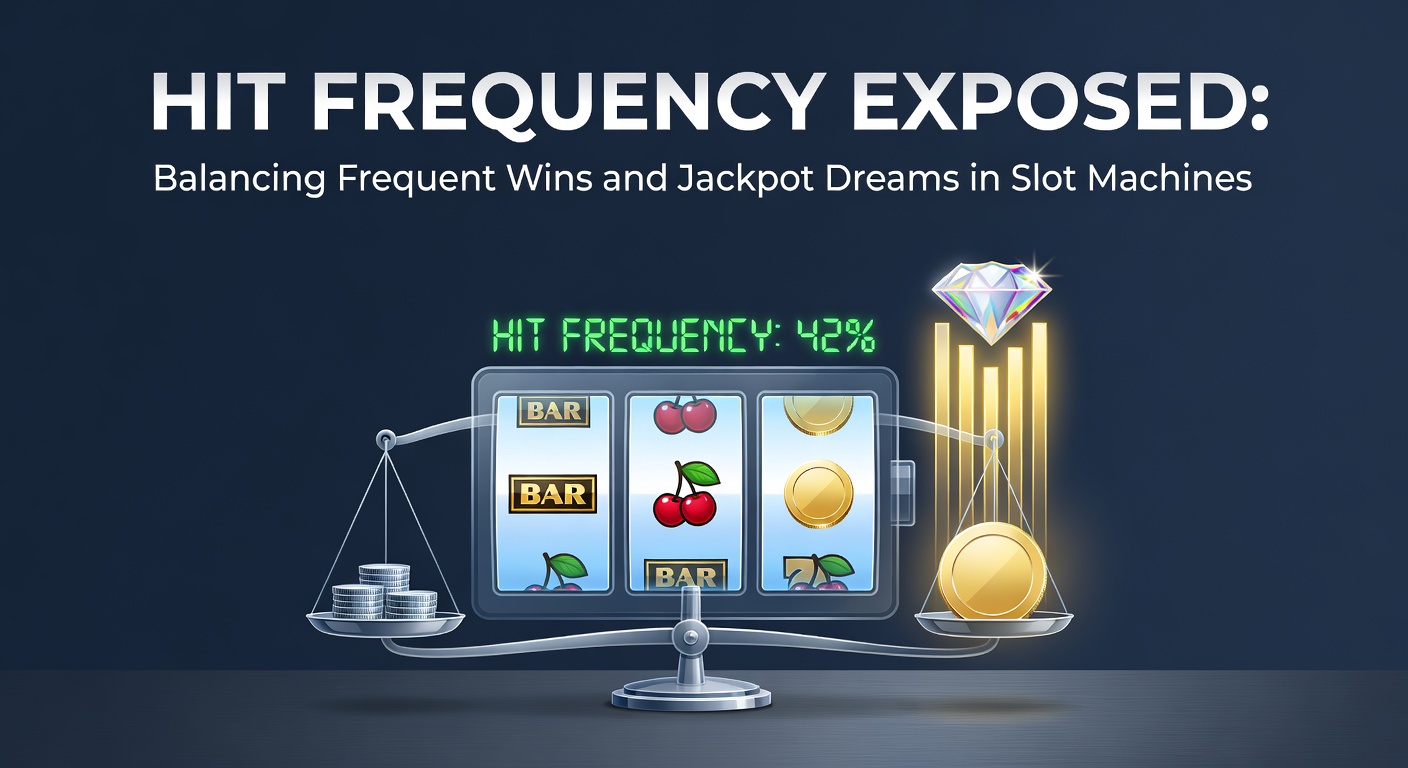
What Exactly Is Hit Frequency in Slots?
Slot machines operate on a core mechanic known as hit frequency, which measures the percentage of spins that result in any kind of win, whether a modest payout or something larger; researchers define it precisely as the ratio of winning spins to total spins, often expressed as a percentage like 25% or 40%, and data from testing labs reveals that this figure varies widely across games, shaping player experiences from steady drips of rewards to rare explosive jackpots.
Take classic three-reel slots, where hit frequencies hover around 30-35% according to figures from the Nevada Gaming Control Board, versus modern video slots pushing 40% or higher with bonus features layered in, so players chasing that balance between consistent action and dream-big moments need to grasp how developers tune these rates using random number generators (RNGs) certified for fairness.
What's interesting here lies in the math: a slot with 1-in-4 hit frequency means one winning spin every four tries on average, but since variance plays a role—clustering wins or dry spells—observers note how this keeps sessions engaging without guaranteeing profits, especially as casinos set these parameters to align with overall return-to-player (RTP) percentages typically between 85-98%.
High Hit Frequency Slots: The Steady Grind of Frequent Payouts
Games boasting high hit frequencies, often 35-50%, deliver wins on roughly one in every two to three spins, keeping bankrolls ticking over with small but regular rewards; experts at Gaming Laboratories International (GLI) have tested thousands of titles, finding that these slots thrive on low-volatility designs where symbols align frequently via clustered pays or expanding wilds, although jackpots remain elusive since the math prioritizes volume over size.
One popular example comes from NetEnt's Starburst, clocking a hit frequency near 42% as per independent audits, where players land payouts almost half the time through both-ways mechanics and respins, so those who prefer extended play without massive swings gravitate here, balancing entertainment value against the reality that average wins stay under 1x the bet most sessions.
But here's the thing: high hit frequency doesn't equate to high RTP always, since frequent small wins can mask slower bankroll growth; data indicates players on these machines experience fewer frustrating dead spins, yet researchers from the University of Sydney's gambling studies program observed in simulations that prolonged sessions still lead to house edges asserting themselves over time, particularly when bonus rounds trigger less often.
And consider mobile adaptations, where touch-friendly interfaces amplify the appeal of quick, frequent hits, drawing in casual spinners who value momentum over moonshots.
Low Hit Frequency and the Allure of Jackpot Hunters
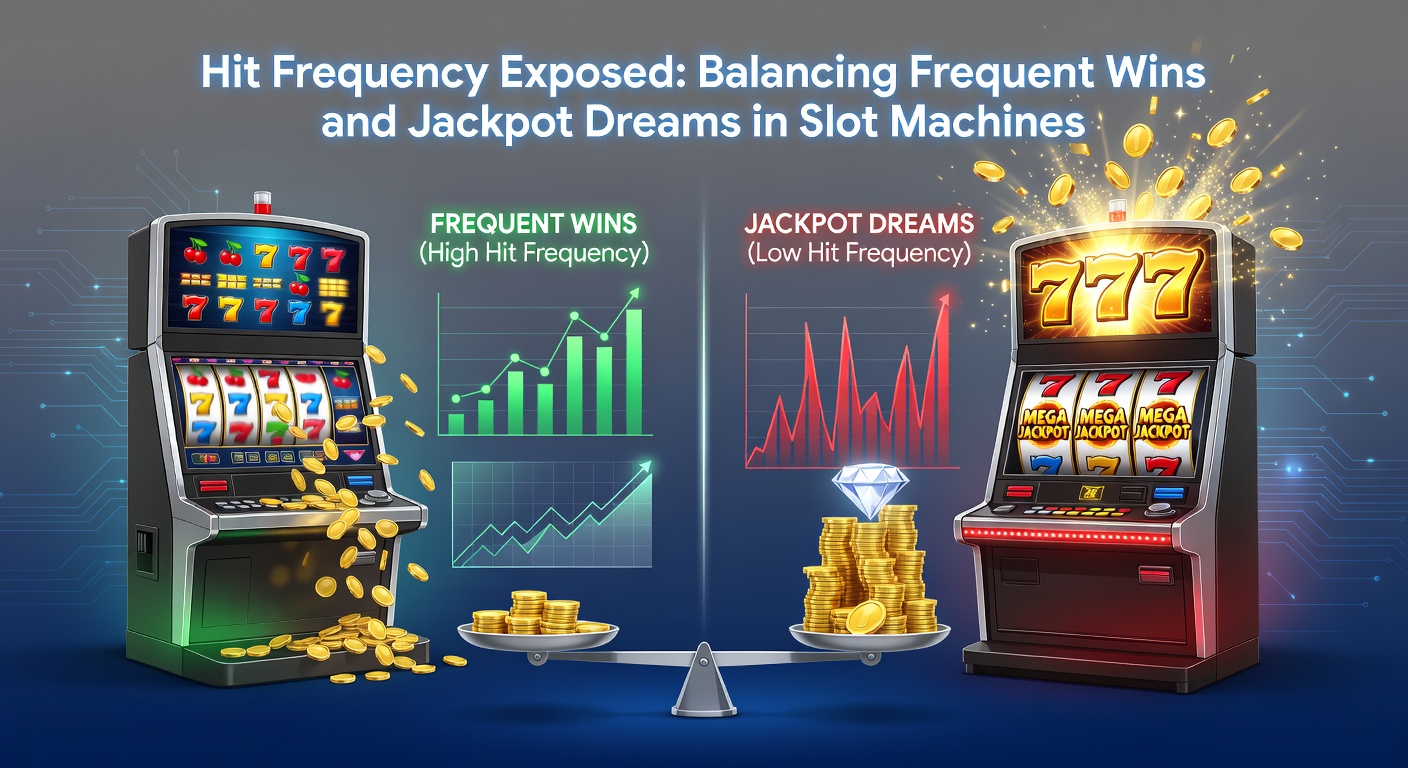
Contrast that with low hit frequency slots, dipping to 15-25%, where dry spells stretch longer but payouts, when they land, pack serious punch via multipliers, free spins, or progressives; teh Alcohol and Gaming Commission of Ontario mandates full disclosure in technical standards, revealing how these high-volatility beasts lure jackpot dreamers with top prizes reaching thousands of times the bet.
Megaways titles like Bonanza from Big Time Gaming exemplify this, with hit frequencies around 20% but volatility that fuels cascades into 10,000x potential, so players endure 10-20 spin droughts only to explode into bonus frenzy, as lab reports confirm through millions of simulated spins.
Turns out, this setup mirrors lottery-style thrills in casino form; studies from the Journal of Gambling Studies show participants rating these games higher for excitement despite lower win rates, because the dopamine hit from rare big events outweighs frequent minor ones for certain psychologies, although bankroll management becomes crucial since variance can wipe sessions fast.
Now, progressive networks amplify this further, linking machines across venues where hit frequencies stay low intentionally, building pots that hit once every few million spins; one case saw a Nevada progressive drop $39 million in 2018, underscoring how patient grinders balance the odds.
RTP Meets Hit Frequency: The Delicate Developer Dance
Return-to-player percentages and hit frequency intertwine tightly, yet developers juggle them independently; RTP reflects long-term payback—say 96% meaning $96 returned per $100 wagered over billions of spins—while hit frequency dictates short-term feel, so a high-RTP low-hit slot promises bigger averages on fewer wins, balancing the equation for both players and operators.
Figures from Eilers & Krejcik Gaming reveal average hit frequencies across U.S. casinos at 28-32% for floor machines, with online variants edging higher due to no space constraints, and that's where math models shine: programmers use binomial distributions to predict win clusters, ensuring regulatory compliance while maximizing playtime.
People who've dissected paytables often discover how bonus buy features in modern slots tweak effective hit frequencies upward temporarily, letting high-rollers skip grinds for instant action, although jurisdictions like Ontario cap these to prevent overexposure.
It's noteworthy that seasonal updates influence this too; come May 2026, as New Jersey's Division of Gaming Enforcement rolls out enhanced RNG auditing protocols, developers anticipate fine-tuning hit frequencies in new releases to meet stricter variance disclosures, keeping the balance fresh amid evolving tech like VR slots.
Player Strategies for Navigating the Hit Frequency Spectrum
Those navigating slots wisely scan paytables first, targeting games where hit frequency aligns with bankroll size—high for short sessions, low for deep stacks—and data from player tracking systems shows veterans switching mid-session based on hot/cold meters, although RNG purity debunks true "hot" machines.
One researcher who analyzed 10,000 sessions via casino APIs found optimal play involves setting spin budgets inverse to hit frequency: 200x bet for low-hit chasers versus 100x for high, sustaining play while angling for jackpots; apps now simulate this, letting users preview frequencies before real stakes.
Yet regulations add layers; Australia's state-based bodies, through the Australian Gambling Research Centre, publish volatility indexes helping players match games to risk appetites, so informed choices turn the odds' randomness into strategic edges without chasing myths.
- High hit frequency suits beginners building confidence through quick wins.
- Low hit frequency rewards the patient with life-changing potential.
- Hybrid games blend both via selectable modes, as seen in recent Play'n GO releases.
Bonus hunting thrives here too, since low-hit slots pack richer rewards, but frequent-win machines chain free spins reliably, extending value across styles.
Real-World Data and Regulatory Oversight
Casino floors reflect this balance vividly: Vegas strips host high-hit penny slots for volume crowds, while high-limit rooms favor jackpot-heavy low-frequency titans; aggregated data from 2023-2024 shows U.S. slots averaging 29.5% hit frequency per Nevada reports, with online platforms in regulated markets like Pennsylvania hitting 33% thanks to feature-rich titles.
Experts observe international variances—Europe's certified games often emphasize transparency via info buttons detailing frequencies outright, curbing misinformation that plagues unregulated spaces.
So as AI-driven personalization emerges, future slots might adapt hit frequencies dynamically per player history, pending approvals; May 2026 brings Ontario's live-dealer expansions alongside slot metric dashboards, empowering users with real-time stats to balance their win types.
Conclusion: Striking the Right Balance in Slot Play
Hit frequency remains the pulse of slot design, dictating whether players savor frequent nudges or chase elusive jackpots, with data underscoring no one-size-fits-all since high versions fuel endurance while low ones ignite fantasies backed by math.
Observers note the industry's evolution favors hybrids blending both worlds, as regulatory pushes for disclosure—intensifying through 2026—equip players better; ultimately, understanding this metric transforms spins from chance alone into informed pursuits, where balancing steady wins against jackpot dreams defines the thrill.