Harmonizing Reel Soundtracks with Payout Algorithms in Themed Digital Gaming Environments
Gisela Wolf · Aug 17, 2026
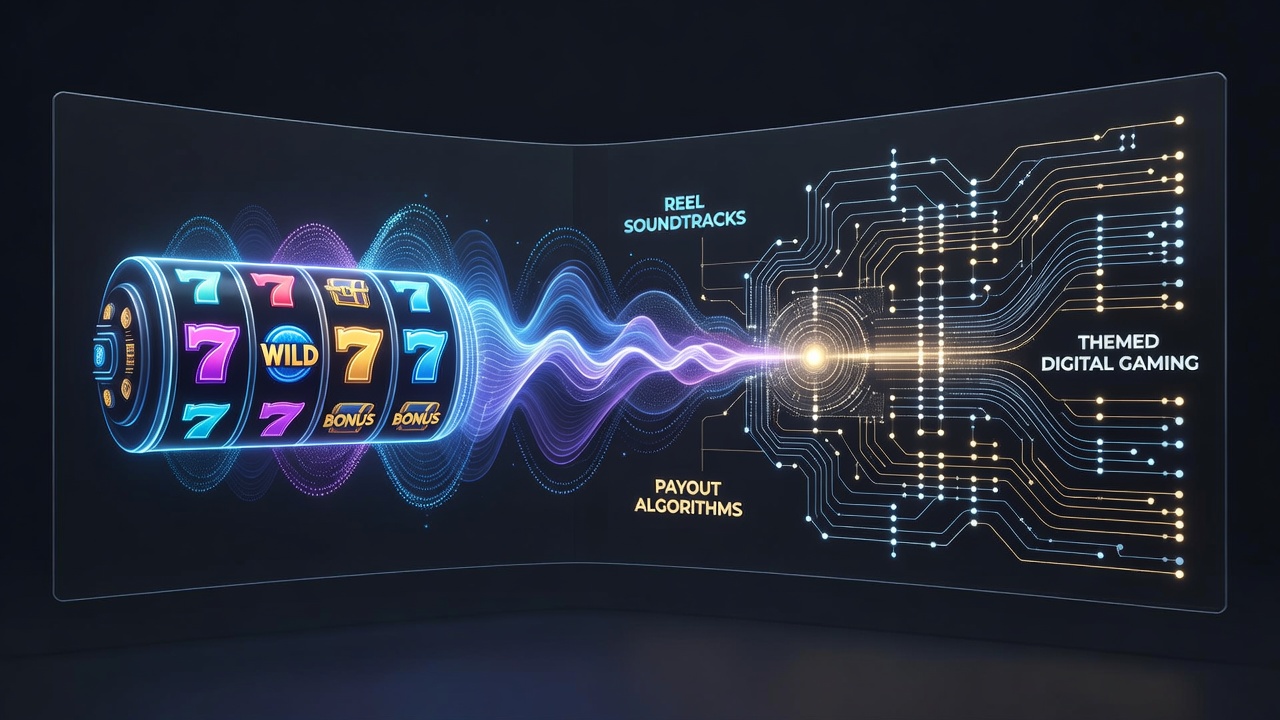
Harmonizing Reel Soundtracks with Payout Algorithms in Themed Digital Gaming Environments
Game developers integrate reel soundtracks directly with payout algorithms to create cohesive experiences in themed digital gaming environments, where audio cues align with random number generator outputs and return-to-player calculations. This synchronization occurs through specialized software frameworks that trigger specific musical phrases or sound effects based on symbol combinations, bonus activations, and volatility settings. Observers note that developers adjust audio layers according to hit frequency data, ensuring that near-miss sequences produce tension-building tones while actual wins activate celebratory motifs without altering the underlying mathematical probabilities.
Technical Integration of Audio and Algorithms
Engineers map payout structures onto dynamic audio systems using middleware that reads reel outcomes in real time, then selects corresponding soundtrack segments from precomposed libraries tailored to each theme. In environments featuring ancient mythology or cinematic narratives, for instance, escalating drum patterns accompany progressive jackpot builds while subtle harmonic shifts reflect base game spin results. Data from industry testing protocols shows these mappings undergo verification to maintain compliance with fairness standards across jurisdictions.
August 2026 brought updated technical guidelines from multiple regulators that emphasized transparent audio-algorithm linkages, requiring providers to document how sound events correlate with specific payout tiers. Developers responded by refining timing engines so that reel stops and musical resolutions coincide within milliseconds, which supports player comprehension of game flow without introducing predictive elements.
Regulatory Frameworks Across Regions
Authorities in Nevada maintain strict oversight of audio-visual components through the Nevada Gaming Control Board, which evaluates whether soundtrack elements could inadvertently influence perceived odds. Similar reviews take place under the Australian Communications and Media Authority, where reports examine how themed audio affects session duration metrics in licensed platforms. These bodies require that all audio triggers remain strictly reactive to algorithm results rather than proactive in guiding player behavior.
Studies from research institutions indicate that when soundtracks mirror payout distributions accurately, retention patterns stabilize across player segments. One analysis of multi-reel progressives found that synchronized low-volatility tracks paired with frequent small wins produced consistent engagement levels, while high-volatility themes used sparse, dramatic cues during rare large payouts. Engineers achieve this balance by layering modular music stems that activate according to calculated return-to-player percentages.
Case Examples in Themed Development
Take one studio that developed an underwater exploration title in early 2026; its team aligned bubbling ambient tracks with base game spins and reserved orchestral swells exclusively for bonus round entries determined by the algorithm. Testing logs revealed that players completed more spins per session when audio transitions matched the exact timing of symbol evaluations. Another project involving space-themed grids used rising synthesizer notes to signal approaching free spin triggers, with volume and tempo scaled to the game's designated volatility index.

Developers continue to refine these systems by incorporating player telemetry that tracks how different soundtrack segments influence spin continuation rates, yet they keep all adjustments within the boundaries of predetermined payout algorithms. Cross-platform deployments require additional calibration because mobile device speakers handle dynamic range differently than desktop audio setups, prompting teams to create adaptive mixing profiles that preserve algorithmic synchronization across hardware variations.
Future Directions in Synchronization Methods
Industry reports from Canadian regulatory sources highlight ongoing work on adaptive soundtrack systems that respond to real-time session data while remaining anchored to fixed payout tables. These approaches use machine learning models trained on historical spin outcomes to predict optimal audio intensity levels, though final reel results stay governed by certified random number generators. Providers document every audio decision path to satisfy audit requirements from multiple international bodies.
What's interesting is how cultural themes influence the choice of instrumentation; Asian-inspired slots often incorporate traditional percussion patterns timed to cluster pay mechanics, whereas Western fantasy titles favor string sections during expanding wild sequences. Each choice undergoes validation against the core algorithm to ensure audio never overrides or misrepresents mathematical probabilities.
Conclusion
Harmonizing reel soundtracks with payout algorithms requires precise technical coordination, regulatory compliance, and continuous testing across themed digital environments. Developers document these linkages extensively to meet standards set by bodies such as the Nevada Gaming Control Board and the Australian Communications and Media Authority, while research institutions provide data on how audio timing affects observable player patterns. As platforms evolve through 2026 and beyond, the focus remains on maintaining clear separation between entertainment audio layers and the independent operation of payout algorithms that determine all outcomes.