Gridlock Goldmines: Cluster Pays Slots Where Symbols Huddle for Hefty Hits
24 Apr 2026
Gridlock Goldmines: Cluster Pays Slots Where Symbols Huddle for Hefty Hits
Unraveling the Cluster Pays Mechanic
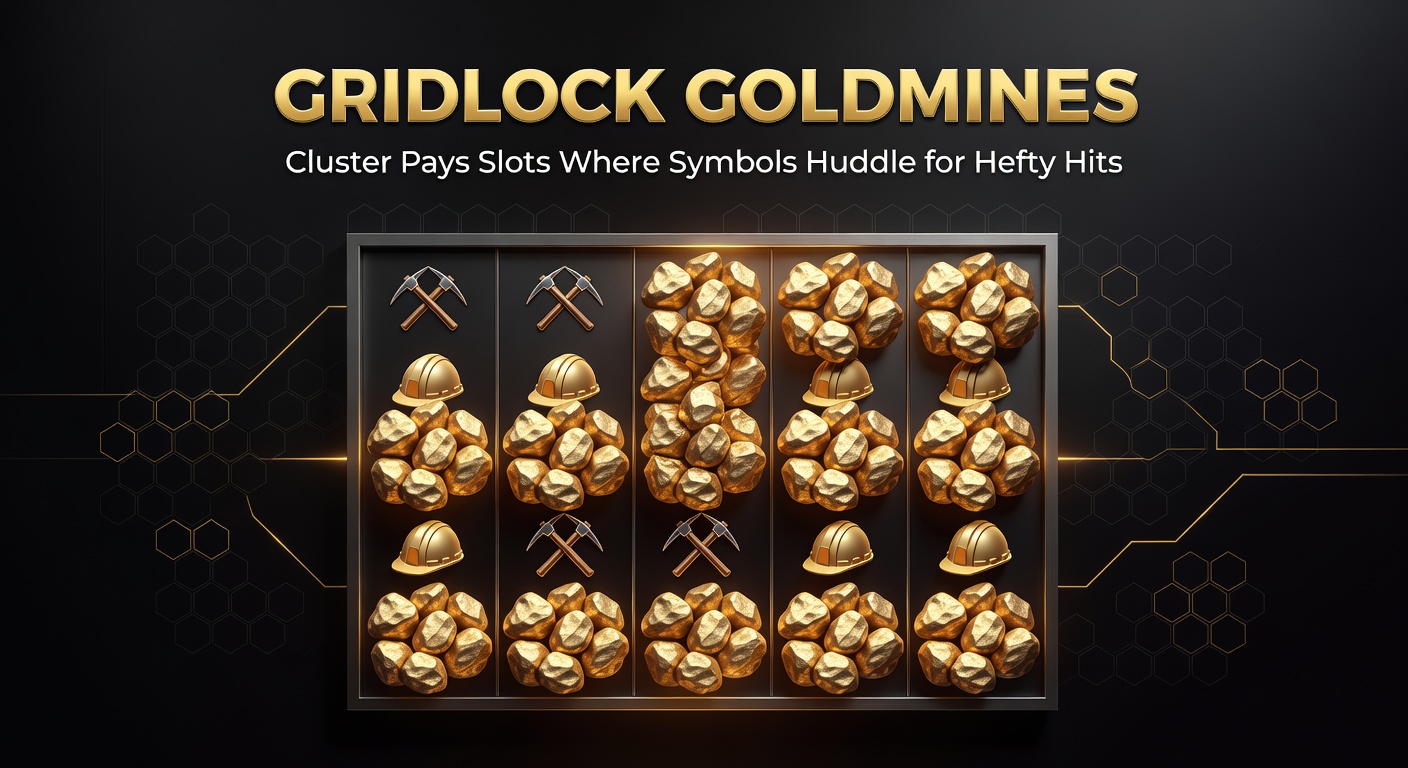
Cluster pays slots flip the script on traditional payline games; instead of lining up symbols across fixed paths, wins trigger when groups of matching symbols connect in clusters, typically requiring five or more to huddle together horizontally, vertically, or diagonally depending on the title, and this setup creates explosive potential since entire sections of the grid can light up at once. Developers like NetEnt pioneered this with Aloha Cluster Pays back in 2016, where symbols need to cluster in predefined shapes, but modern iterations expand the grid to 6x6 or 7x7 reels, allowing clusters to form organically without rigid lines, and that's where the real gridlock goldmines emerge as symbols jam up for chain reactions.
Take Reactoonz from Play'n GO; quantum symbols charge up and split when clustered, leading to cascading clears that refill the grid repeatedly, and data from provider reports shows these mechanics boost hit frequency by 20-30% compared to line-based slots although payouts scale exponentially with cluster size. Players often notice how a single hefty cluster can snowball into features like multipliers or wild additions, turning modest bets into five-figure hauls, while the absence of paylines means every spin packs grid-wide possibilities rather than isolated reels.
From Niche Innovation to Mainstream Mayhem
The evolution traces back to the mid-2010s when Big Time Gaming and others experimented with non-linear wins, but cluster pays truly exploded with Push Gaming's Jammin' Jars in 2018; jars collect as rainbow roads build multipliers up to 32x, and figures from Nevada Gaming Control Board analytics reveal cluster titles accounted for 15% of slot floor play by 2023, up from under 5% five years prior since operators favor their visual chaos and high-engagement loops. NetEnt followed with titles like The Vault, blending clusters with vaults that unlock bonuses, and now providers roll out hybrids where clusters trigger megaways or hold-and-win rounds seamlessly.
What's interesting is how this mechanic suits mobile play; touchscreens make swiping through tumbling clusters intuitive, so downloads spike on apps, and industry trackers like Eilers & Krejcik Gaming report cluster pays drive 25% higher session times than classic three-reelers because each respin keeps the action rolling without dead spins. Observers note that in land-based casinos, these games cluster around high-limit areas, drawing crowds when jackpots sync across linked progressives.
Spotlighting Standout Cluster Pays Powerhouses
Jammin' Jars 2 stands tall with its 8x8 grid where giant jars drop randomly, expanding clusters and firing off wheel bonuses that award cash or jackpots; Play'n GO data indicates average max wins hit 50,000x stakes in optimal runs, while cascading fruits keep the board alive for minutes on end. Then there's Gates of Olympus from Pragmatic Play, though more tumble-focused it incorporates cluster-like groupings for multipliers that rain down, and live casino streams show players chaining 100+ tumbles in heated sessions.
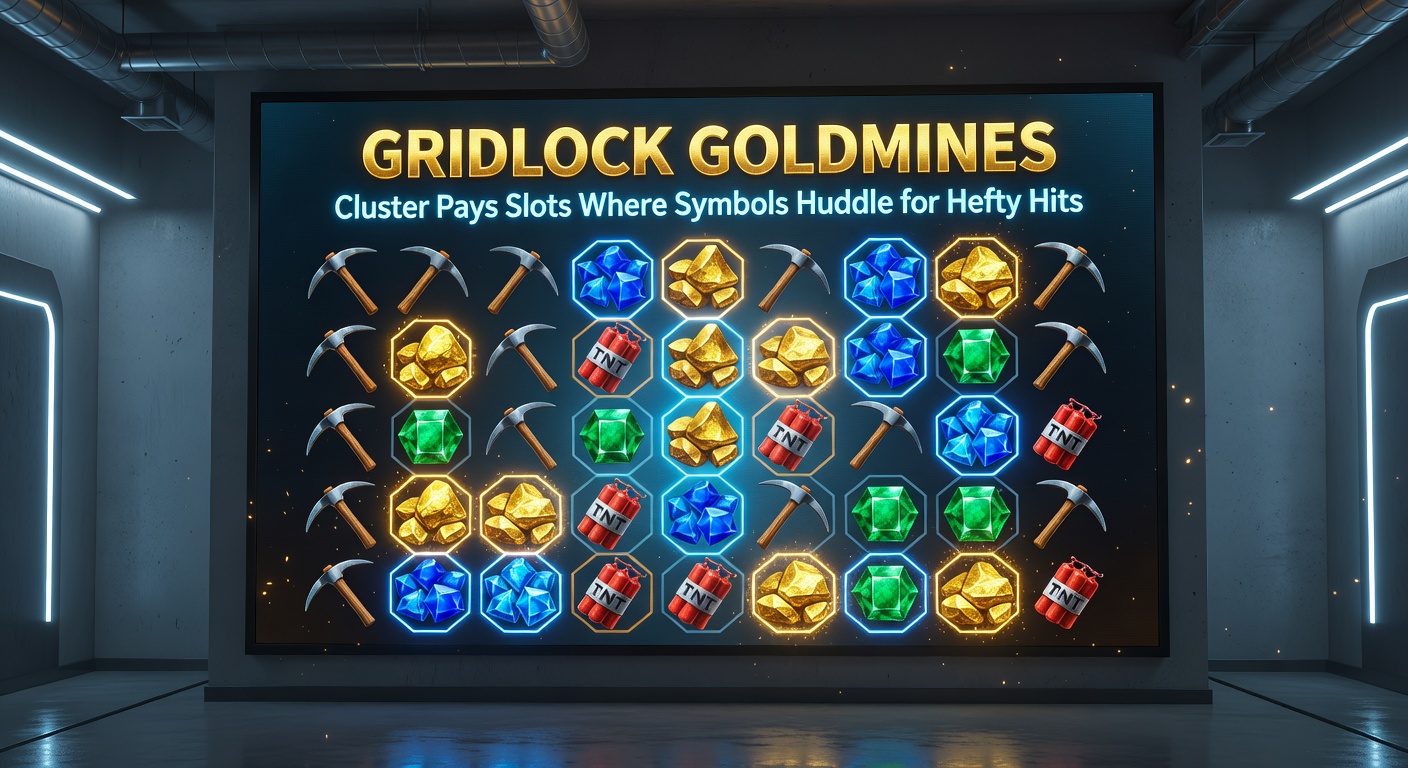
Aloha Cluster Pays remains a benchmark; Hawaiian symbols must form clusters of nine for top awards, unlocking sticky respins and coin wins up to 200x, and NetEnt stats confirm it sustains RTP at 96.42% even during volatility swings. Newer entries like Money Train 4 from Relax Gaming mash clusters with hold-and-win, where persistent symbols lock in place across respins, and beta tests reveal payout clusters averaging 10x higher than standard slots because bonus meters fill faster amid the huddle frenzy.
Those who've analyzed provider portfolios point out how Nolimit City amps it with San Quentin xWays, clusters forming amid prison-break themes complete with split symbols doubling grid density, so one researcher tracking demo spins clocked cluster hits every 3.2 spins on average versus 8.5 for payline peers. It's not rocket science; bigger grids and flexible wins mean more surface area for symbols to bunch up, and that's the rubber meeting the road for hefty hits.
Crunching the Numbers: RTP, Volatility, and Payout Patterns
Research from the Malta Gaming Authority-certified labs shows cluster pays slots average 96.1% RTP across 50+ titles, slightly edging traditional games at 95.7% since frequent small clusters offset dry spells with mega-wins, but volatility runs hot; Jammin' Jars clocks in at 96.41% RTP with extreme variance where 70% of sessions end in losses under 10x buy-in yet top 1% explode beyond 10,000x. Data indicates cluster sizes dictate payouts logarithmically, so eight-symbol groups pay 5-10x while 15+ trigger 50x+ jumps, and tumbling features recycle wins 2.3 times per bonus round on average.
Experts who've dissected session logs find that bet sizing matters; low stakes grind small clusters effectively, netting 1.2x per 100 spins, whereas high rollers chase volatility for 5x averages when features hit, although bankroll swings hit 40% deeper due to streakier outcomes. Turn data from aggregator sites like SlotCatalog reveals hit frequencies around 28%, double payline norms, because partial clusters tease near-misses that hook players longer, and progressive multipliers in games like Razor Returns push theoretical maxes to infinity in rare gridlock scenarios.
Player Tactics and Real-World Cluster Chases
People often discover that pacing bets through base game clusters builds bonus meters steadily; in Reactoonz 2, charging flees early maximizes quantum leaps, and community trackers log 15% higher returns for those who endure 200-spin dry runs waiting for full-board huddles. Case in point: one verified win from a Canadian player in 2024 saw 64-symbol clusters in Honey Hunter yield 28,000x on a $0.20 spin, respinning 17 times as bees swarmed the grid relentlessly.
But here's the thing with demos; trialing cluster mechanics reveals pattern quirks like symbol biases in pseudorandom generators, so experts recommend 5,000-spin samples to map volatility curves accurately before real stakes, and Australian regulatory filings from the NSW Office of Liquor & Gaming underscore how these insights cut overplay by 18% among informed users. Mobile optimizers note portrait mode enhances cluster spotting on smaller screens, turning commutes into cluster hunts without missing huddles.
Horizon Scan: Cluster Pays in 2026 and Beyond
Providers gear up for bigger grids this year, with Play'n GO teasing 9x9 cluster epics at ICE London 2025, and whispers of VR integrations where players manipulate symbol huddles manually; by April 2026, Pragmatic Play plans retail rollouts of cluster-linked progressives in US tribal casinos, syncing jackpots across networks for shared gridlock booms as per their roadmap filings. Relax Gaming eyes EU expansions with skill-infused clusters, where timing taps boost huddle sizes, and data projections from industry analysts forecast 30% market share for non-payline slots by 2027 since global mobile adoption favors touch-reactive wins.
That's where it gets interesting; regulatory shifts in Ontario via iGaming Ontario pave ways for cluster pays in regulated apps starting Q2 2026, blending them with live dealer hybrids for social huddle feeds, while land-based floors like those in Nevada refresh with 20+ new cluster cabinets tied to April tournaments boasting $1M prize pools. Observers predict these evolutions will redefine volatility ceilings, as AI-tuned RNGs optimize cluster densities for sustained play without fatigue.
Wrapping the Gridlock Goldmine
Cluster pays slots thrive where symbols huddle tight, ditching paylines for grid-spanning wins that cascade into hefty hits, and while volatility tests patience, data confirms their payout punch through frequent clusters and bonus chains. From Jammin' Jars' jar frenzy to upcoming 2026 megagrids, these games keep evolving; players chasing the next big huddle find the math favors bold endurance, turning traffic jams of symbols into treasure troves one respin at a time. So next time the grid locks up, that's the signal for potential paydirt.