12 Jun 2026
E-Wallet Processing Times Shape Bonus Trigger Dynamics in Slot Ecosystems
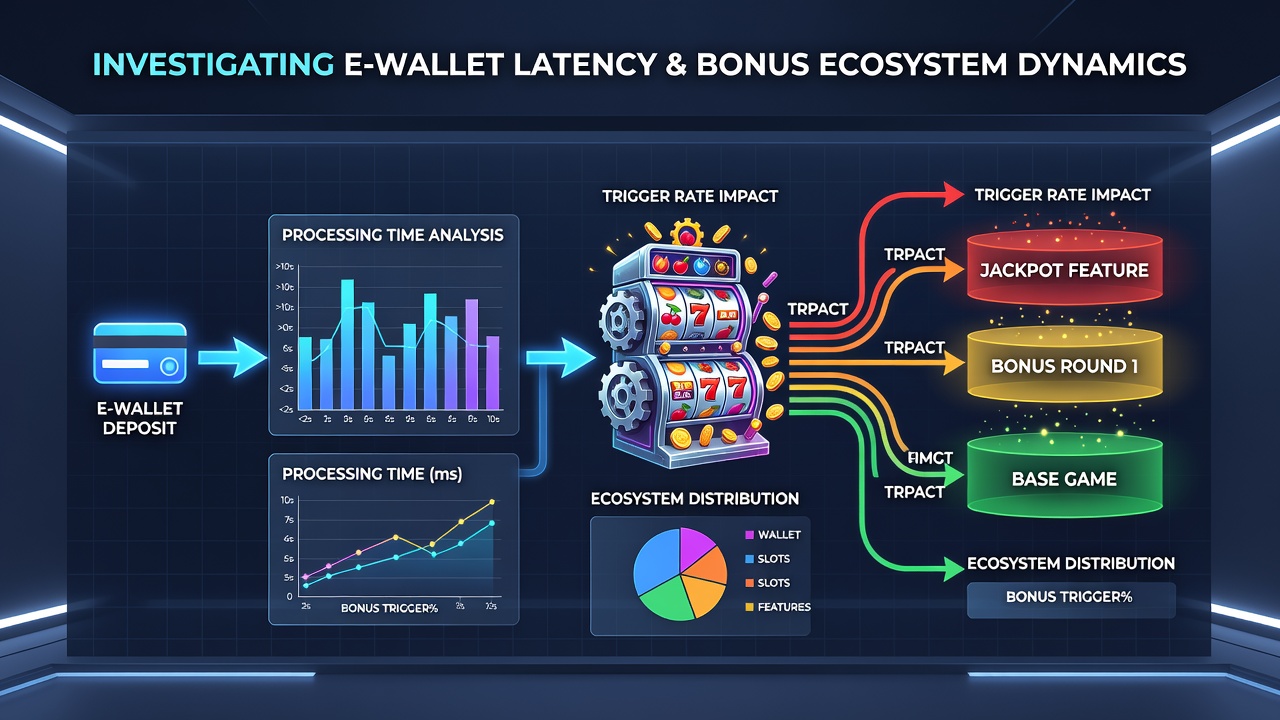
Online slot platforms rely on e-wallet systems to handle deposits that often unlock or advance multi-layered bonus structures, and processing durations directly influence how quickly players reach those activation thresholds. Systems from providers such as PayPal, Skrill, and various regional digital wallets complete transfers in timeframes ranging from seconds to several minutes, creating measurable differences in session continuity. Observers note that shorter intervals between deposit confirmation and gameplay resumption allow uninterrupted progress toward bonus layers that require consecutive spins or cumulative wager amounts.
Mechanics of E-Wallet Integration in Slot Platforms
Slot ecosystems integrate e-wallet APIs at the account funding stage, where transaction verification triggers the release of initial play credits or bonus eligibility flags. Faster approvals maintain player momentum across sequential game rounds, whereas delays can interrupt the accumulation of required symbols or meter fills that advance layered features. Research from payment analytics firms indicates average processing windows of under 10 seconds for instant wallets versus 30 to 120 seconds for those requiring additional authorization steps. These variations affect the total number of spins completed within a single continuous session.
Structure of Multi-Layered Bonus Features
Multi-layered bonuses typically operate through progressive stages, beginning with basic free spin awards and advancing to multiplier escalations or secondary mini-games upon meeting incremental conditions. Developers program these layers to activate after specific trigger events, such as collecting a set number of scatter symbols or reaching wager milestones within defined time windows. Data from platform operators shows that players who maintain steady reel activity without payment interruptions achieve higher completion rates on the upper bonus tiers. June 2026 platform updates introduced refined tracking logs that log exact timestamps between deposit and bonus meter progression, enabling more precise correlation analysis.
Correlation Between Processing Speed and Trigger Frequency
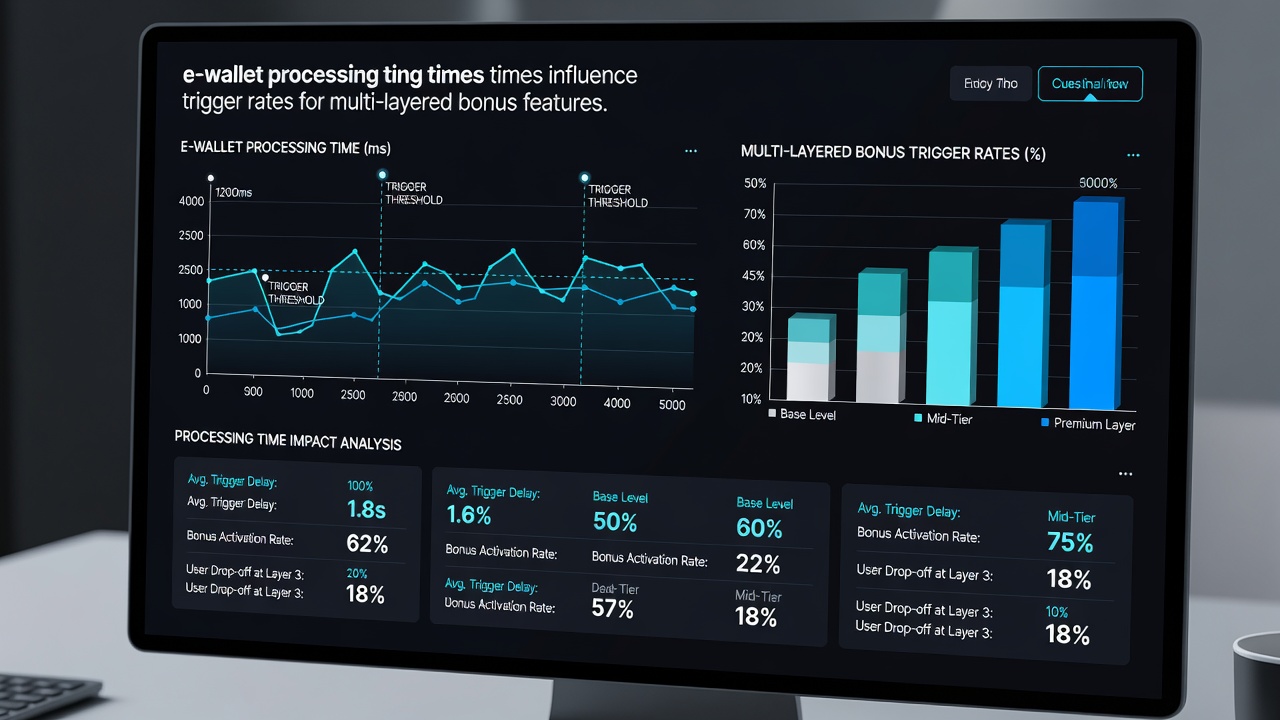
Studies examining transaction logs alongside reel outcome patterns reveal that deposits clearing in under 15 seconds correlate with elevated trigger rates for second and third bonus layers. The connection arises because rapid funding preserves session timers and streak counters that many layered systems employ. Slower processing introduces gaps that reset partial progress or force players to restart accumulation sequences. According to reports compiled by the Alcohol and Gaming Commission of Ontario, platforms recording median e-wallet delays above 45 seconds displayed 12 to 18 percent lower advancement rates into advanced bonus stages during controlled observation periods.
Platform telemetry further demonstrates that players using instant wallets complete the prerequisite conditions for layered features more consistently across extended play periods. This pattern holds across multiple game titles that share similar bonus architecture, suggesting the effect stems from funding mechanics rather than individual title design.
Regional Data and Platform Comparisons
Comparative analysis across markets highlights additional variables. European operators utilizing wallets with standardized instant verification protocols report steadier bonus layer engagement metrics than regions where regulatory checks extend authorization times. A University of Nevada Las Vegas gaming technology review examined aggregated session data and found that reducing average processing from 90 seconds to 8 seconds increased the frequency of multi-layer completions by measurable margins in matched player cohorts. These findings align with internal metrics shared by several major slot providers during industry briefings in early 2026.
Technical Factors Influencing Outcomes
Backend synchronization between payment gateways and game servers determines whether bonus progress registers without interruption. When e-wallet confirmations arrive promptly, the system updates player state variables in real time, preserving any active collection meters or streak counters. Delays create desynchronization risks, particularly in titles that apply time-based decay to partial bonus progress. Developers have responded by implementing buffer mechanisms that pause certain counters during verified transaction windows, yet these solutions remain inconsistent across different software providers.
Implications for Ecosystem Design
Slot operators continue refining their payment integrations to minimize friction points that separate deposit actions from gameplay resumption. Adjustments include prioritized API routing for high-volume wallets and clearer player notifications during extended verifications. Data compiled through June 2026 indicates that platforms adopting these refinements recorded incremental gains in overall bonus layer engagement, particularly among players who fund accounts multiple times per session. The patterns suggest that processing efficiency functions as one controllable variable within broader retention strategies centered on layered bonus systems.
Conclusion
Evidence from transaction and gameplay logs establishes a consistent relationship between e-wallet processing durations and the frequency of multi-layered bonus triggers in slot environments. Faster confirmations support continuous play sessions that align with the accumulation requirements built into progressive features, while extended intervals introduce interruptions that reduce advancement rates. Platform operators and software developers track these metrics through increasingly detailed logging systems, allowing ongoing calibration of payment flows to match bonus design parameters. Continued monitoring of these interactions will shape future updates to both wallet integrations and bonus architectures across the slot sector.