3 Jun 2026
Decoding Regulatory Ripple Effects on Progressive Payout Layers Across Portable Gaming Platforms
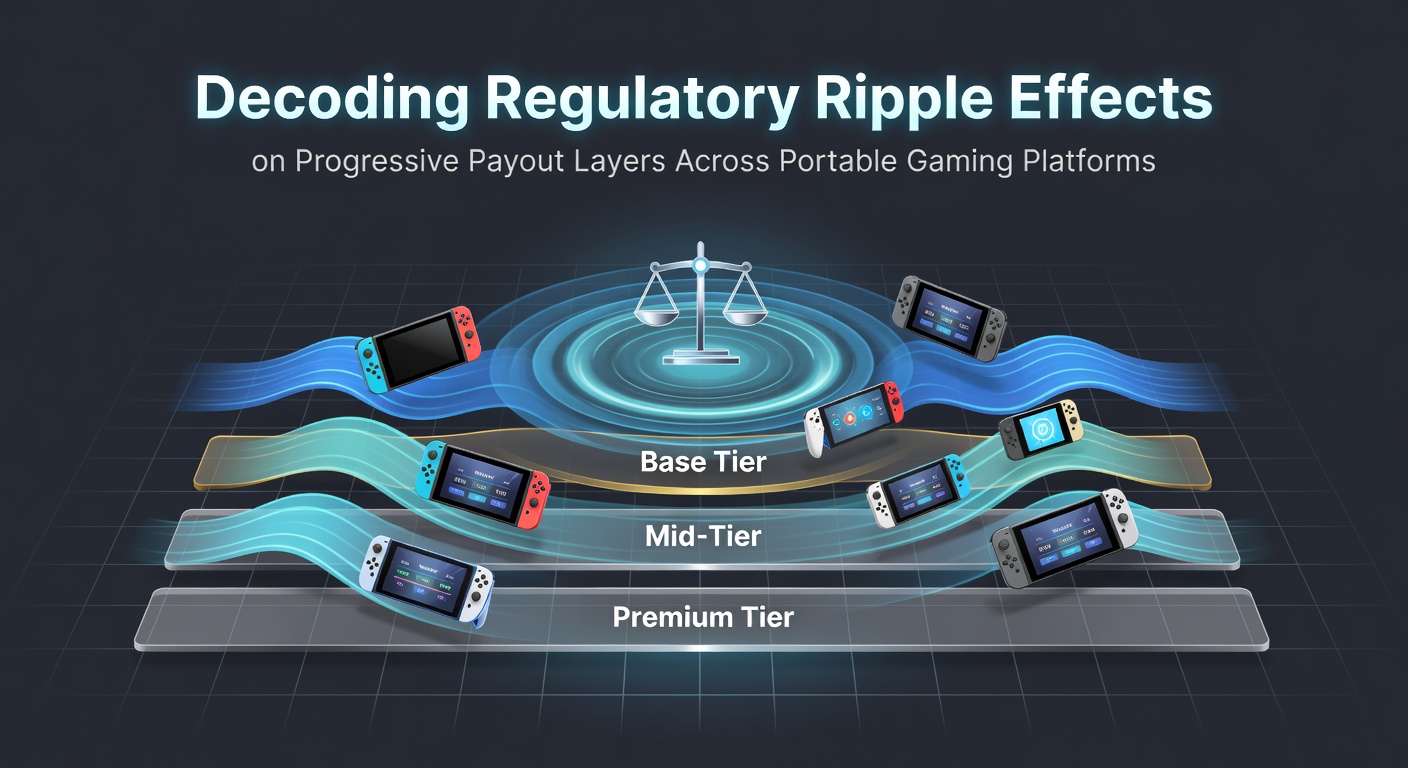
Regulatory changes continue to influence how progressive payout layers operate within mobile gaming environments, where layered jackpot systems connect across multiple devices and jurisdictions. Data from various oversight agencies shows these adjustments often modify contribution rates, eligibility thresholds, and cross-border fund pooling mechanisms that support the largest prize pools.
Regulatory Frameworks Shaping Mobile Progressive Systems
Authorities in multiple regions have introduced updated compliance requirements that directly affect portable platforms hosting progressive games. In Canada the Alcohol and Gaming Commission of Ontario implemented revised technical standards in early 2026 that require operators to segregate portions of progressive contributions into jurisdiction-specific reserve accounts, a move that alters how funds accumulate for shared jackpots. Similar measures appear in several Australian states where state gaming commissions now mandate real-time reporting of payout layer activity to ensure contributions remain traceable across state lines.
These rules create ripple effects because progressive layers typically rely on aggregated player activity from wide geographic areas. When one jurisdiction alters its contribution formula or imposes new caps, operators must recalculate expected growth rates for each layer and adjust player-facing information accordingly. Researchers tracking these modifications note that even small percentage shifts in contribution rates can extend the time required for lower-tier layers to reach advertised maximum values.
Impact on Payout Structures and Player Access
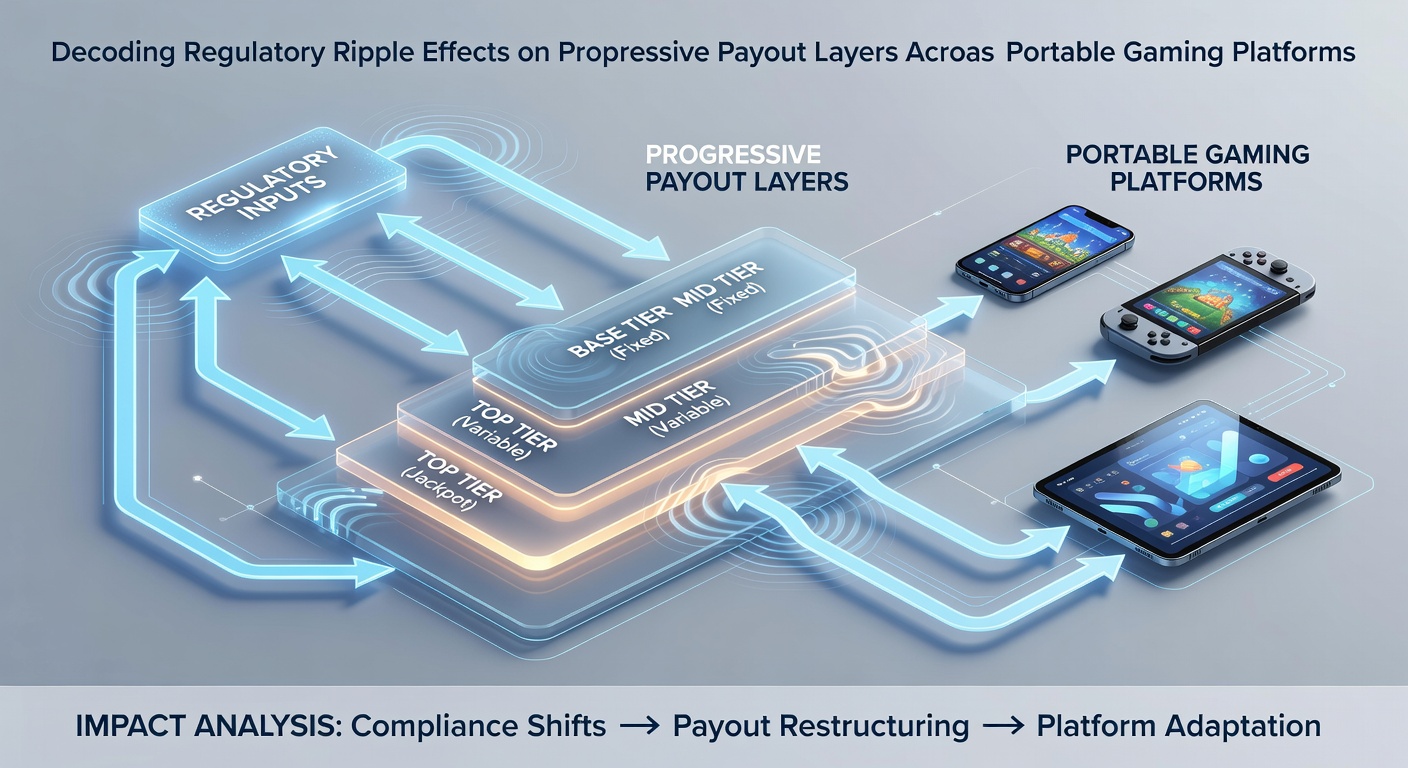
Progressive payout layers on mobile platforms consist of multiple tiers where smaller local jackpots feed into larger regional or global pools. Regulatory interventions frequently target the transfer mechanisms between these tiers. For instance, certain North American tribal gaming compacts updated in 2025 now require explicit player consent before contributions from mobile sessions enter interstate progressive systems, which has led platforms to introduce toggle options within game interfaces.
Evidence from transaction monitoring systems indicates that such consent requirements correlate with temporary dips in contribution volume during initial rollout periods, after which volumes typically stabilize as players become accustomed to the new prompts. Operators respond by redesigning user flows to minimize friction while maintaining compliance, often integrating explanatory tooltips that detail how each layer receives funding from different player segments.
Technological Adaptations in June 2026
By June 2026 several major portable gaming platforms had deployed modular payout engines capable of switching contribution parameters based on detected user location and applicable regulations. These engines rely on geofencing combined with real-time regulatory databases that flag when a player crosses into a different compliance zone. Developers report that the architecture allows individual progressive layers to maintain separate accumulation logic without requiring complete system overhauls each time a new rule emerges.
Academic studies from institutions examining gaming technology, including work published through the University of Nevada's gaming research center, document how these modular systems reduce downtime during regulatory transitions. The studies highlight cases where platforms updated payout parameters across thousands of concurrent sessions within minutes rather than hours, preserving continuity for players engaged in multi-layer bonus rounds.
Cross-Jurisdictional Data Sharing Requirements
Many regulatory bodies now require operators to share anonymized contribution and payout data across borders to verify that progressive layers operate fairly. This sharing supports audits that confirm no single jurisdiction subsidizes another through mismatched contribution rates. Platforms have responded by implementing standardized data schemas that map each transaction to its originating regulatory framework, enabling automated reconciliation processes that satisfy multiple oversight entities simultaneously.
Industry reports indicate that these standardized schemas have also improved dispute resolution when players question why a particular jackpot layer grew at a slower rate than expected. Support teams can now reference jurisdiction-specific contribution percentages directly from the transaction record rather than relying on manual calculations.
Conclusion
Regulatory adjustments continue to drive structural changes in how progressive payout layers function across portable gaming platforms, prompting operators to adopt flexible technical solutions and enhanced data management practices. Observers tracking developments through mid-2026 note that successful navigation of these requirements depends on maintaining accurate location-based compliance logic while preserving the interconnected nature of multi-tier jackpot systems. As additional jurisdictions refine their approaches, platforms will likely further refine the modular engines and reporting frameworks already in place.