3 Jul 2026
Decoding How Integrated Soundscapes Influence Decision Pacing During Extended Reel Sessions on Handheld Platforms
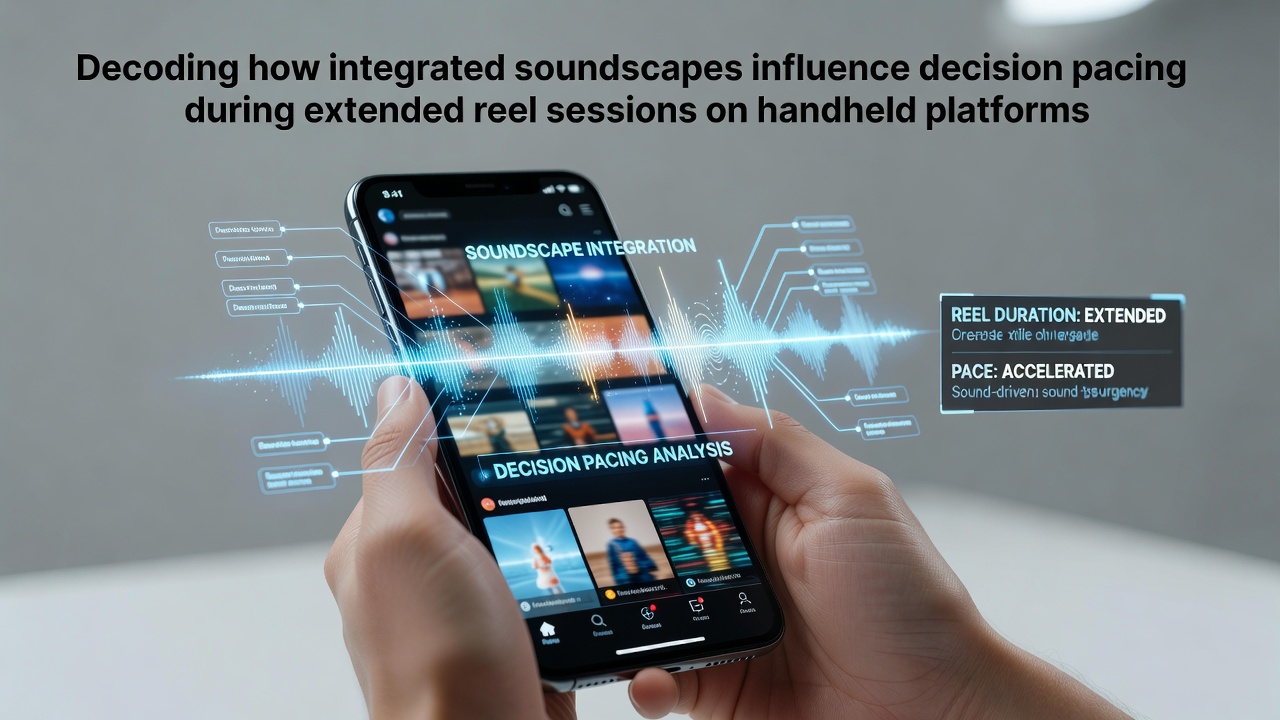
Integrated soundscapes in mobile reel games combine layered audio elements including win chimes, background rhythms, and anticipatory tones that researchers have tracked through session logs and player behavior metrics, and these elements shape the intervals between spins on handheld platforms where touch-based controls allow rapid repeat actions. Data from multiple device analytics platforms indicate that players extend sessions when audio cues align with payout events while shorter pauses occur during sequences dominated by neutral or buildup sounds, and studies conducted on portable gaming ecosystems reveal consistent patterns across thousands of sessions logged through July 2026.
Audio Layers and Their Measurable Effects on Spin Intervals
Sound design teams construct reel experiences around synchronized tracks where low-frequency bass pulses mark near-miss moments and higher-pitched celebratory tones follow credit additions, yet observers note that these same tracks alter the average time between user inputs when sessions stretch beyond thirty minutes on smartphones and tablets. Research from academic labs focused on digital interaction shows that continuous ambient loops reduce hesitation periods by maintaining arousal levels whereas abrupt silence after a sequence of losses prompts longer decision windows before the next spin command registers. Handheld hardware limitations further influence delivery since device speakers compress dynamic range compared with larger systems and this compression changes how players perceive urgency cues embedded in the soundtrack.
Session Data Patterns Across Portable Platforms
Analytics collected from major mobile operating systems demonstrate that decision pacing accelerates when win-associated melodies play at volumes calibrated to device output levels and the same datasets show deceleration during periods when only mechanical reel sounds remain active. One research group examined over 2.4 million spin events across multiple titles and found that integrated audio increased average session length by measurable margins while isolated visual feedback alone produced quicker exits from extended play. Those who analyzed transaction timestamps alongside audio event logs discovered correlations between specific cue combinations and the clustering of rapid successive spins particularly on devices held in portrait orientation.
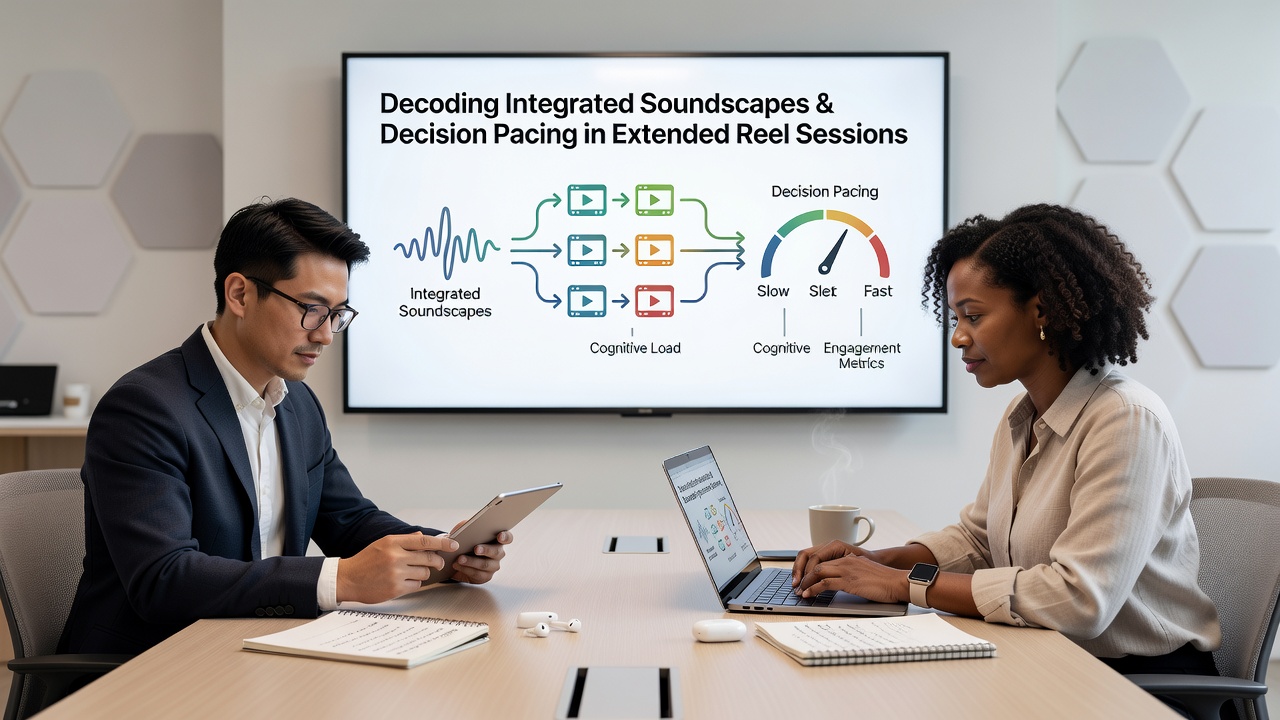
Regulatory reports from agencies monitoring digital gambling activity in North America and Australia further document these timing shifts through aggregated operator data submitted quarterly, and figures released in mid-2026 highlight regional variations where mobile users in certain markets exhibit tighter pacing clusters when sound options remain enabled by default. The patterns hold across different reel mechanics including standard paylines and cluster formats although the strength of audio influence appears stronger in titles that employ progressive musical builds tied to accumulating features.
Device Constraints and Sound Delivery Variables
Handheld platforms introduce variables absent from stationary terminals because screen proximity affects perceived loudness and users frequently toggle system volume or enable silent modes during public use, and these adjustments directly modify how soundscapes reach the player. Engineers who design for multiple device models account for speaker placement differences that alter bass response and high-frequency clarity while testing reveals that decision intervals lengthen on models where audio feels muted compared with flagship units delivering fuller range. Studies tracking user settings indicate that participants who keep audio active maintain steadier pacing throughout longer sessions whereas those who mute audio show more variable gaps between spins as visual cues alone guide timing choices.
Research Approaches and Measurement Techniques
Investigators employ eye-tracking combined with input logging to capture micro-pauses before each reel activation and they overlay these readings with the precise timing of audio events within game code, and results from such combined methods appear in peer-reviewed outlets focused on human-computer interaction. One Canadian research initiative published findings that linked specific frequency ranges in background tracks to shortened decision windows while European university teams examined cross-cultural differences in response to celebratory sound effects across similar handheld titles. Data shared through industry consortia further supports these observations by providing anonymized session heatmaps that highlight pacing changes coinciding with audio transitions rather than visual events alone.
Additional work from Australian academic sources examines how adaptive sound volumes calibrated to session duration affect continued play metrics and these studies report consistent directional effects even when controlling for individual player history and stake levels. Observers note that the integration of haptic feedback with audio layers creates compound influences on pacing although the auditory component remains the dominant variable in most analyzed datasets.
Implications for Platform Design and Player Behavior Tracking
Developers incorporate these findings when calibrating default audio settings and testing protocols now include pacing measurements as standard evaluation criteria alongside traditional retention statistics. Platform operators monitor aggregate decision timing through backend systems that flag unusual clustering of rapid spins and such monitoring supports compliance reporting required by oversight bodies in multiple jurisdictions. The evidence accumulated through 2026 indicates that soundscape design functions as a measurable component within broader player engagement systems on handheld devices where session extension depends on coordinated sensory inputs rather than isolated features.
Conclusion
Integrated soundscapes continue to demonstrate measurable connections to decision pacing during extended reel sessions on handheld platforms according to aggregated research and operational data collected across regions. Continued examination of audio timing alongside user input patterns provides ongoing insight into how these elements interact within portable gaming environments and informs both design practices and regulatory oversight frameworks.