Decoding Audio-Visual Cues in Modern Reel Games and Their Effect on Decision-Making Patterns
Elena Baumann · Aug 19, 2026
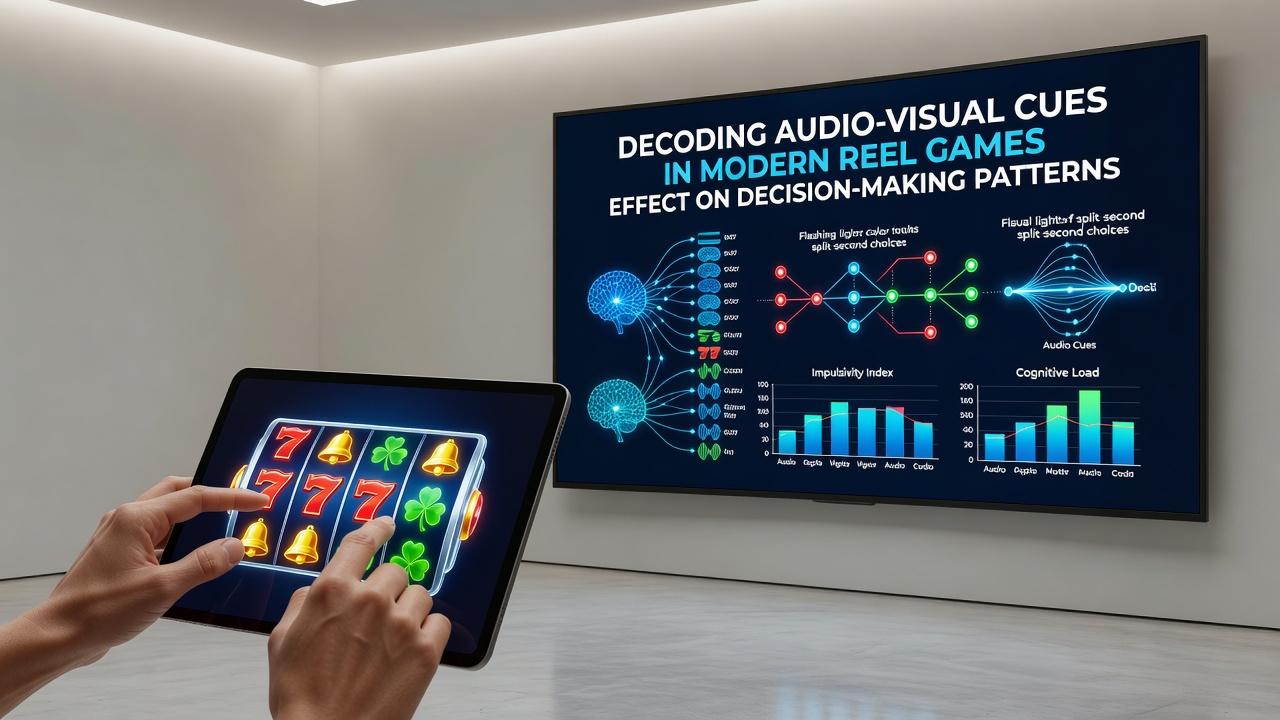
Decoding Audio-Visual Cues in Modern Reel Games and Their Effect on Decision-Making Patterns
The Role of Sensory Design in Reel Mechanics
Modern reel games integrate layered audio tracks with synchronized visual animations that guide player focus toward specific symbols and outcomes, and these elements operate through established principles of perceptual psychology where rapid visual flashes pair with escalating sound frequencies to maintain attention across extended sessions. Data from gaming software analytics in August 2026 indicate that titles featuring dynamic cue layering report higher average interaction times compared to static designs, while regulatory filings from multiple jurisdictions track how these patterns influence spin rates and bet adjustments in real time.
Sound designers employ escalating tones during near-miss sequences, and visual expanders on wild symbols create immediate contrast shifts that draw eye movement across the grid, yet these techniques align with broader findings on stimulus-response conditioning documented in behavioral research. Observers note that players often increase wager sizes following sequences where audio intensity rises in tandem with symbol clustering, a correlation confirmed through transaction log analyses across portable platforms.
Patterns Linking Cues to Choice Behavior
Studies tracking decision sequences reveal that audio peaks coinciding with bonus triggers correlate with extended play intervals, whereas muted visual feedback during losing streaks tends to prompt quicker session terminations in some user cohorts. Research published by the National Center for Responsible Gaming shows measurable shifts in bet sizing when reel animations incorporate pulsing color gradients alongside rising decibel levels, and similar patterns appear in aggregated data from North American operators.
Those monitoring player telemetry observe that visual expansion effects on scatter symbols frequently precede decisions to activate additional paylines, while ambient background tracks that modulate volume based on win frequency appear tied to steadier betting rhythms over multi-hour periods. Australian Institute of Family Studies reports from 2025 highlight comparable associations between cue density and retention metrics in digital formats, underscoring how these elements interact with established reward pathways without altering underlying probability structures.
Technological Integration and Data Correlations
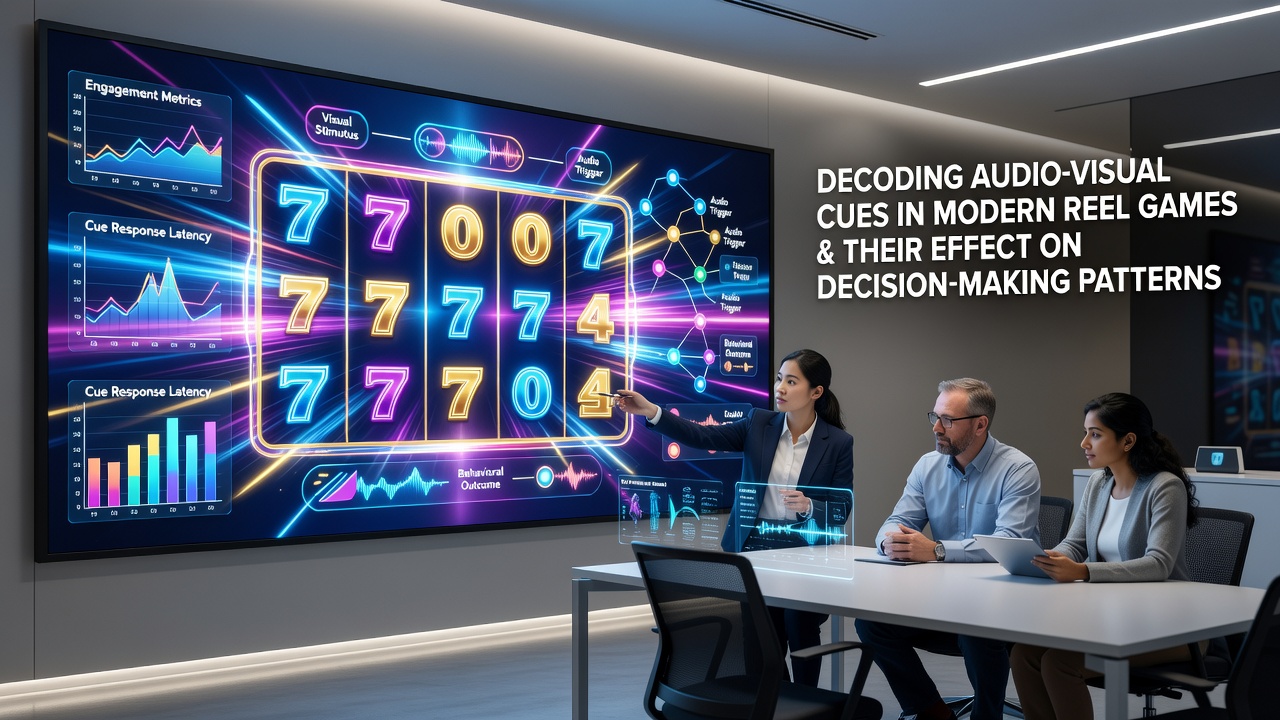
Advances in real-time rendering allow developers to adjust cue timing based on individual session histories, and platform logs from major providers in 2026 demonstrate that personalized audio-visual scaling maintains consistent engagement curves across diverse player segments. European regulatory summaries compiled by the Malta Gaming Authority track how these adaptive systems influence voluntary play limits, revealing that users exposed to modulated cues maintain deposit patterns that align closely with pre-set thresholds in controlled environments.
Cluster-pay configurations often layer particle effects with harmonic sound progressions that build toward potential payouts, and telemetry reviews indicate these combinations correspond with higher frequencies of mid-session strategy adjustments such as stake increases or feature activations. Cross-referenced datasets from Canadian provincial gaming commissions further illustrate that visual cue saturation during progressive meter climbs associates with sustained participation rates when compared against baseline titles lacking such enhancements.
Regulatory Observations and Industry Metrics
Industry reports compiled through 2026 document steady growth in titles emphasizing multi-sensory feedback loops, and these developments coincide with updated compliance standards requiring transparent disclosure of animation and audio parameters in player-facing materials. Government agencies across several regions continue to monitor correlations between cue intensity and voluntary exclusion requests, while academic collaborations examine longitudinal effects on decision latency during reel spins.
Analyses of aggregated play data show that games incorporating variable lighting sequences during free spin rounds exhibit distinct patterns in re-trigger decisions compared to those with uniform visuals, and these distinctions hold across demographic groupings when controlling for session duration. Observers tracking software updates note incremental refinements in cue synchronization that align with evolving hardware capabilities on mobile devices prevalent in current markets.
Conclusion
Audio-visual cue systems in contemporary reel games function through measurable interactions with attention and choice mechanisms, supported by ongoing data collection from operators and independent research bodies. As platforms incorporate more refined sensory layers through 2026 and beyond, continued examination of transaction and behavioral logs provides the factual basis for understanding their documented effects on player patterns without reference to subjective interpretations.