19 Jun 2026
Charting Algorithmic Pattern Shifts In Cluster Pay Mechanics Influenced By Regional Player Data Feedback Loops
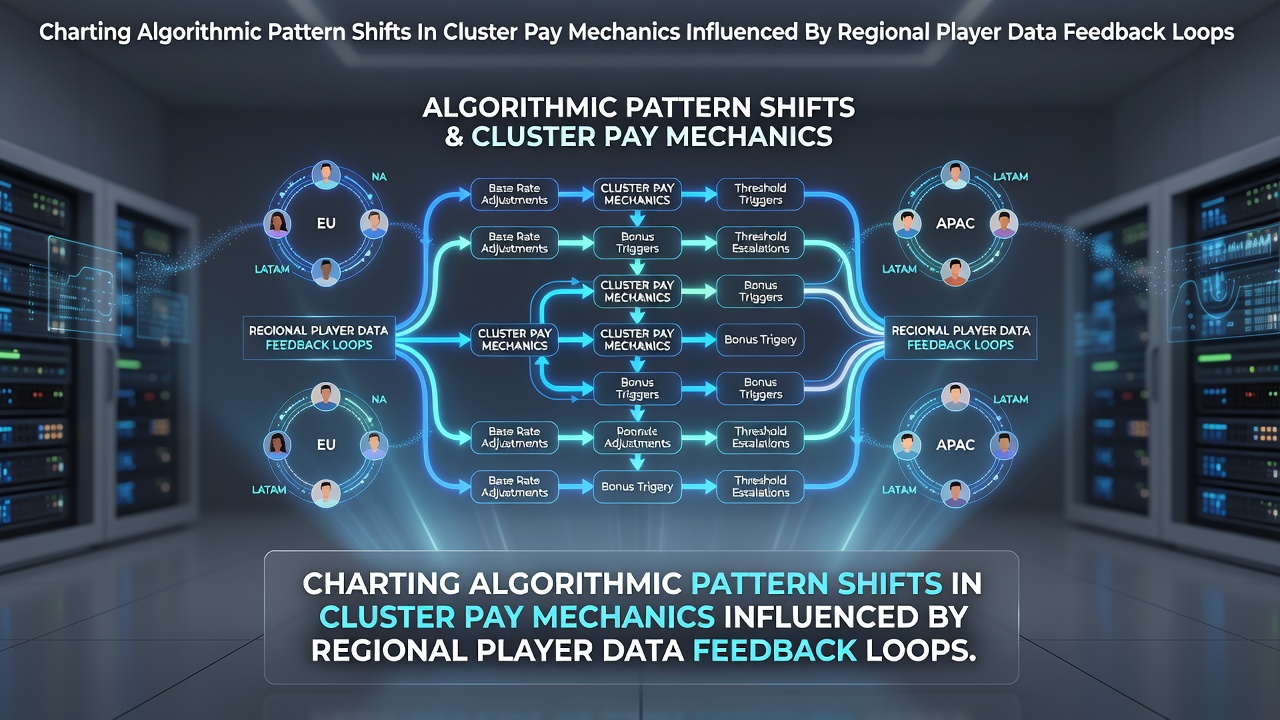
Cluster pay mechanics have evolved through iterative adjustments driven by aggregated player behavior metrics collected across distinct geographic zones, and these modifications reflect direct responses to feedback loops embedded in backend systems. Data streams from North American, European, and Asia-Pacific markets feed into centralized models that recalibrate symbol clustering thresholds, payout multipliers, and reel weighting parameters on a rolling basis.
Regional Data Collection and Loop Structures
Operators compile transaction logs, session durations, and cluster formation frequencies from servers located in different jurisdictions, then route those datasets through proprietary algorithms that detect deviations from expected hit patterns. In June 2026, several platforms reported measurable shifts in cluster density targets after processing Q1 player activity from Canadian and Australian cohorts, where engagement metrics showed sustained preferences for mid-sized groupings over isolated high-value combinations.
Feedback mechanisms operate by comparing live outcome distributions against historical baselines segmented by region, which allows the system to increase or decrease the probability of adjacent symbol alignments without altering overall return-to-player percentages. Observers note that these loops close rapidly, often within 48 to 72 hours, once sufficient sample sizes accumulate from high-volume territories.
Algorithmic Adjustments in Symbol Clustering
Core code governing cluster formation incorporates variables for minimum group size, adjacency rules, and cascade continuation rates, each tuned according to regional performance indicators. When European data streams indicate elevated player retention following frequent small clusters, the algorithm incrementally raises the frequency of three-symbol connections while maintaining larger cluster rarity through compensatory weighting on higher reels.
North American datasets have prompted different calibrations, with emphasis placed on expanding potential cluster boundaries during bonus phases. Those modifications appear in updated reel strips deployed mid-cycle, and developers document the changes through version-controlled releases that reference specific regional input batches.
Cross-Regional Pattern Comparisons
Comparative analysis across markets reveals distinct signature patterns, such as higher cascade chain lengths in Asia-Pacific sessions versus steadier single-cluster outcomes in U.S. markets. Researchers at institutions including the University of Nevada, Las Vegas have examined these divergences using anonymized aggregate logs, finding correlations between average session length and preferred cluster sizes that inform subsequent model updates.
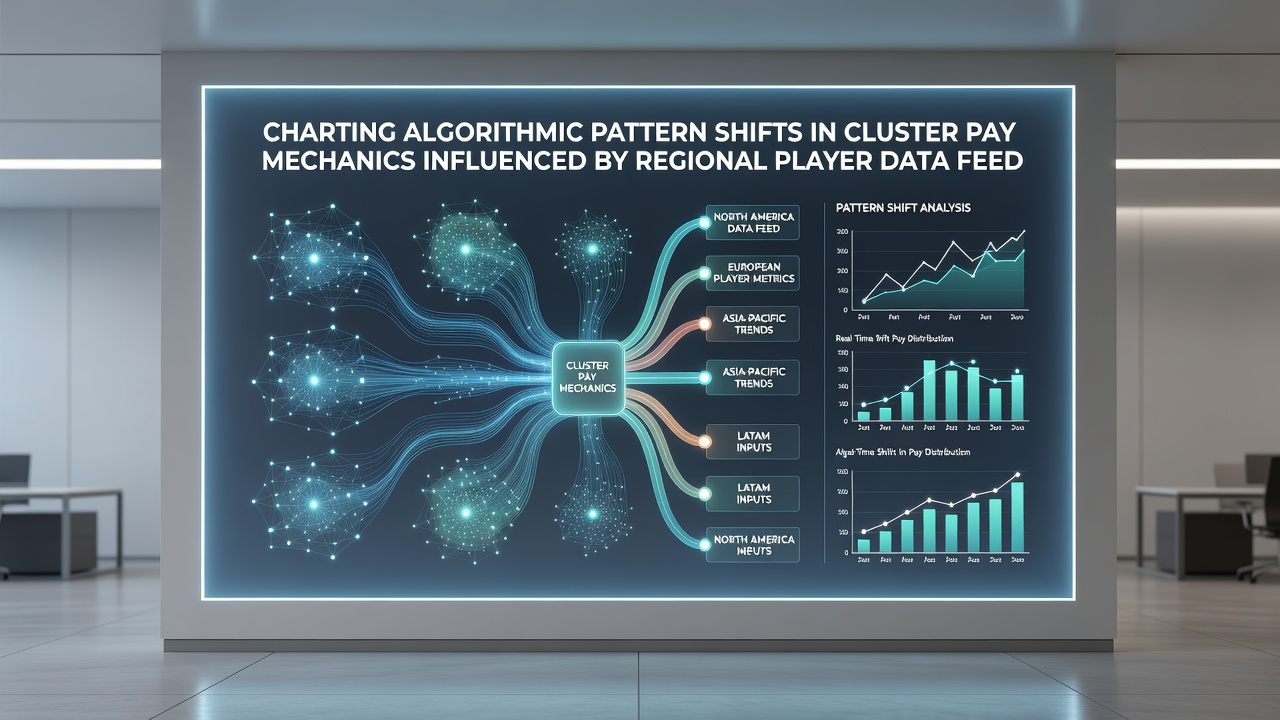
One documented case involved a multi-jurisdictional operator that synchronized adjustments across three separate game titles after observing parallel trends in cluster payout timing from both Canadian provincial data and Nordic regulatory submissions. The unified update produced consistent cluster frequency lifts without requiring title-specific rewrites.
Implementation Timelines and Monitoring Protocols
Deployment schedules typically follow a staged rollout beginning with low-stakes test environments, followed by progressive exposure to live regional segments. Monitoring dashboards track key indicators such as cluster completion rates per thousand spins and average payout intervals, triggering alerts when deviations exceed preset tolerance bands.
Regulatory bodies in multiple regions, including those referenced in reports from the Australian Communications and Media Authority, require operators to maintain audit trails that log each algorithmic parameter change alongside the originating regional dataset. These records support compliance reviews and allow independent verification that adjustments remain within approved mathematical boundaries.
Future Trajectories for Cluster Mechanics
Continued refinement of regional feedback integration points toward finer segmentation, potentially incorporating sub-regional variables such as urban versus rural player cohorts. Existing frameworks already support real-time parameter modulation based on time-of-day activity spikes, and extensions into demographic layering are under active evaluation by several software providers.
Conclusion
The interplay between regional player data and cluster pay algorithms demonstrates a closed-loop system where observable behavioral signals directly shape mechanical outputs. As datasets expand and processing latency decreases, the precision of these pattern shifts is expected to increase, yielding more responsive game configurations across global markets.