29 May 2026
AGA Reports Over $1 Billion in Lost Tax Revenue from Prediction Markets
 The American Gaming Association has released figures showing that states along with Native American tribes have missed out on more than $1 billion in potential tax revenue because prediction markets such as those run by Kalshi and Polymarket fall under federal oversight through the Commodity Futures Trading Commission rather than state licensing systems. These platforms handle event contracts that include sports outcomes and operate without contributing to state tax collections or tribal gaming compacts. Data from the group indicates that sports-related contracts account for the majority of trading volume on these platforms.
Details Behind the Revenue Figures
According to the AGA report, the $1 billion shortfall stems from the fact that prediction markets function outside traditional state gambling frameworks and therefore bypass taxes that would otherwise apply to licensed sports betting or gaming operations. The association compiled its estimates by examining trading volumes and comparing them against what equivalent activity would generate under state tax rates. Sports contracts dominate the activity on these platforms, which amplifies the scale of the lost collections across multiple jurisdictions.
Federal Oversight Versus State Authority
Prediction markets receive their regulatory framework from the CFTC, which permits certain event contracts at the national level while states retain separate authority over most forms of gambling. This division creates a situation where platforms like Kalshi and Polymarket can offer contracts without obtaining state licenses or remitting taxes to state treasuries or tribal governments. Observers note that this structure has prompted ongoing litigation in several states as officials seek to clarify boundaries between federal and state jurisdiction.
State Actions and Proposed Measures
Kentucky, Iowa, and Pennsylvania have each advanced proposals aimed at capturing some of the revenue currently flowing outside their systems. In Kentucky lawmakers have considered legislation that would impose taxes on prediction market activity, while Iowa officials have examined regulatory changes that could bring certain contracts under state oversight. Pennsylvania has seen similar discussions around tax measures designed to address the gap. These efforts coincide with active lawsuits in multiple states that challenge the current federal-only approach and seek to establish clearer pathways for state taxation.
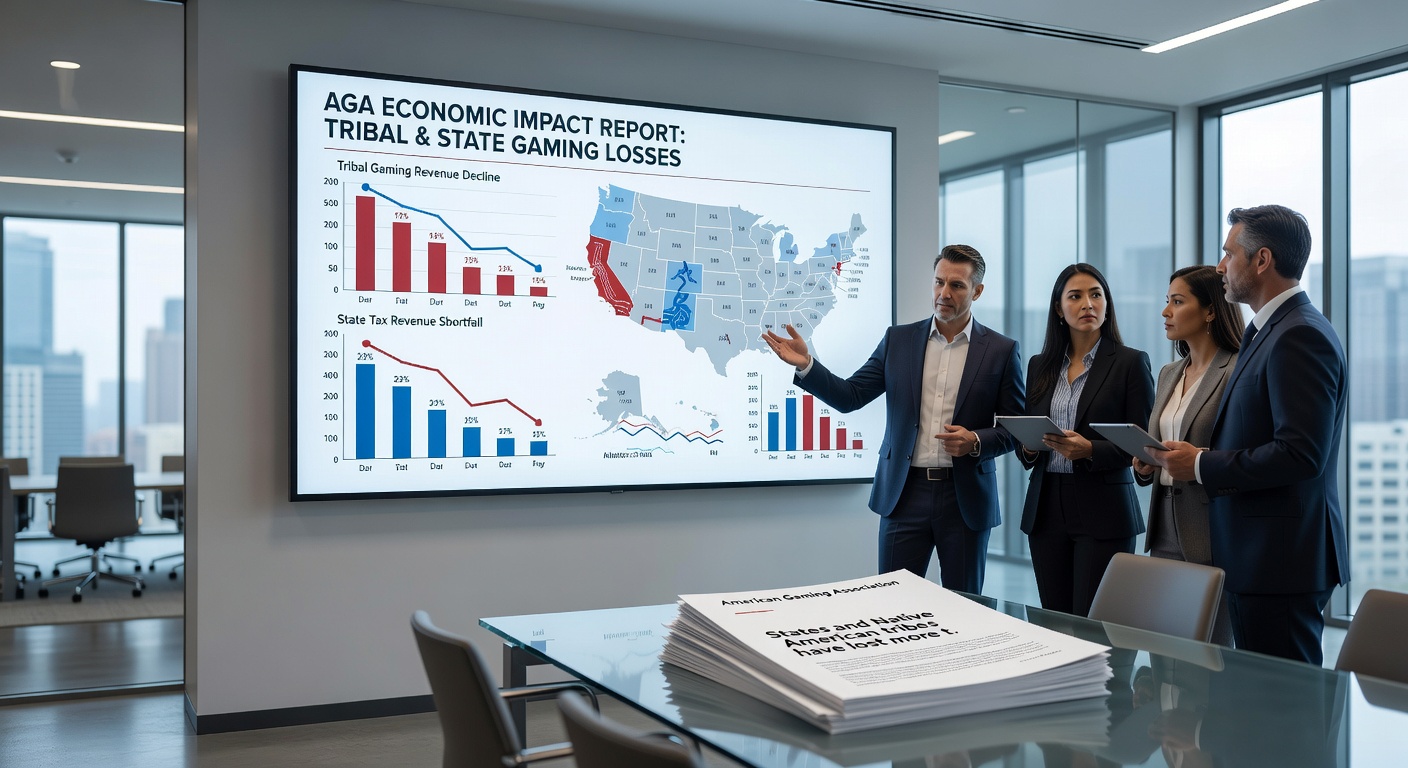
Those following the litigation point out that court outcomes could reshape how prediction markets interact with state budgets in the coming years. The AGA has made a live tracker available that monitors the estimated lost revenue across jurisdictions, and the data shows consistent growth in sports-related trading that continues to widen the revenue gap.
Broader Context of Trading Volume
Sports-related contracts represent the largest share of activity on the platforms mentioned in the report, which means the tax implications concentrate in areas where states already maintain established sports betting markets. This overlap creates direct competition for tax dollars that would otherwise support state programs and tribal gaming revenues. The AGA data tracks these volumes over time and connects them to the cumulative $1 billion figure cited in the announcement.
Conclusion
The AGA report outlines a clear picture of lost collections tied to the current regulatory split between federal oversight of prediction markets and state-level taxation of gaming. With proposed measures moving forward in Kentucky, Iowa, and Pennsylvania alongside active litigation elsewhere, the situation continues to evolve as states and tribes examine options to address the shortfall. The dominance of sports contracts in trading volume remains a central element in the figures released by the association.